When Nine Cars Were Eliminated in One Lap: The Story of Silverstone 1973
CLASSIC MOTORSPORT
1/18/20263 min read
The 1973 British Grand Prix, held on 14 July at Silverstone, became one of the most talked-about races of the decade not because of a championship decider, but because of how quickly an ordinary race weekend turned into one of the most chaotic events Formula One had seen.
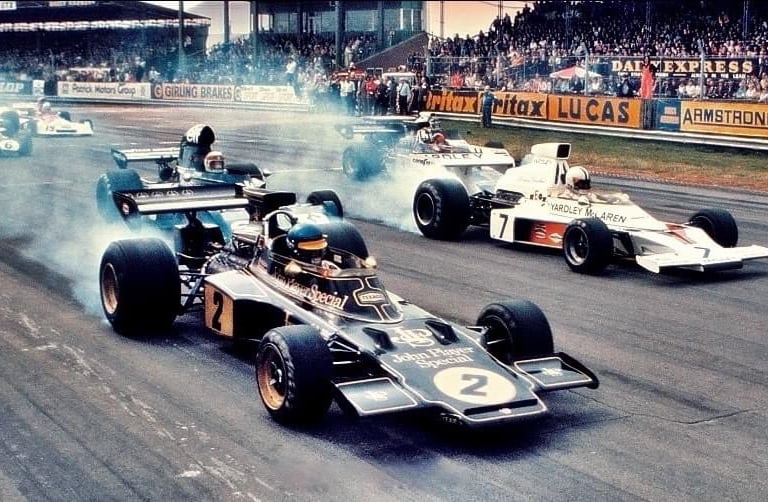
Silverstone was still one of the fastest circuits in the world. The layout encouraged long periods of full throttle, and mistakes were rarely forgiven. In qualifying, Ronnie Peterson confirmed Lotus’ speed by taking pole position with a lap of 1:16.3. Denny Hulme and Peter Revson, both driving for McLaren, completed the front of the grid, with a tightly packed field behind them.
From the start, the danger of the circuit became clear.
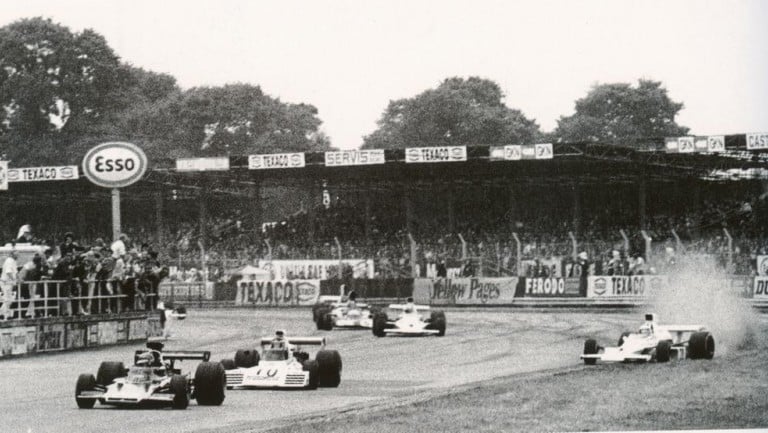
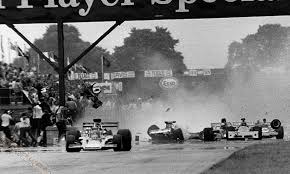
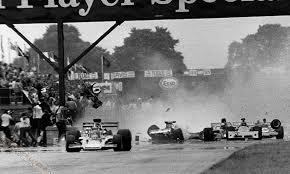
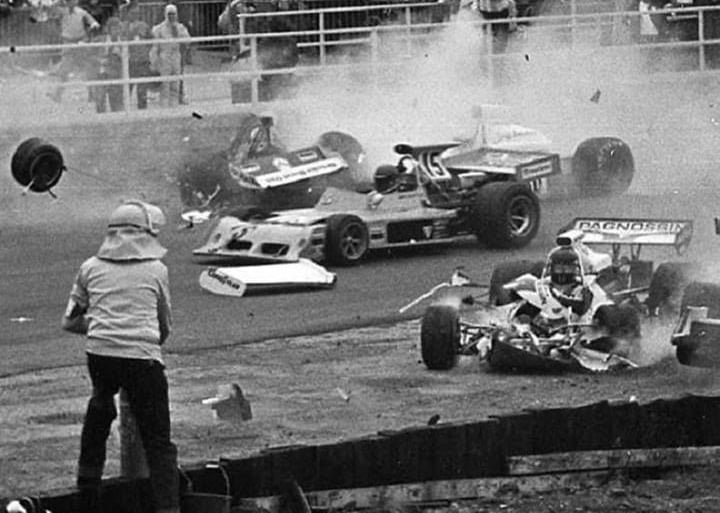
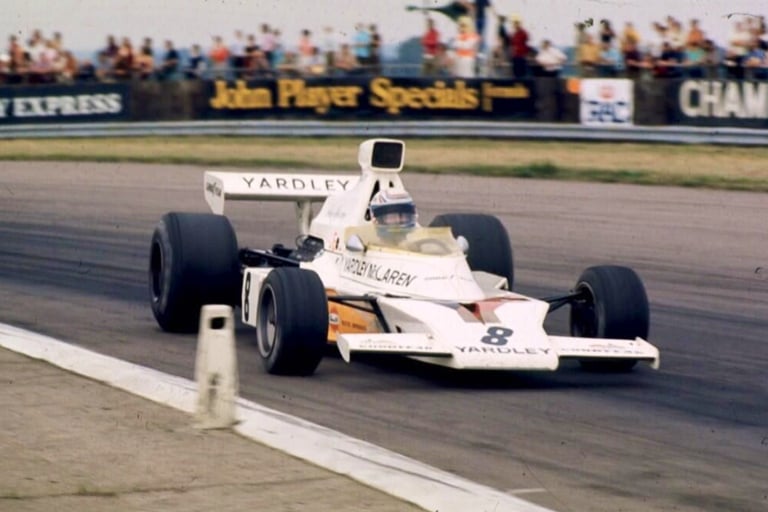
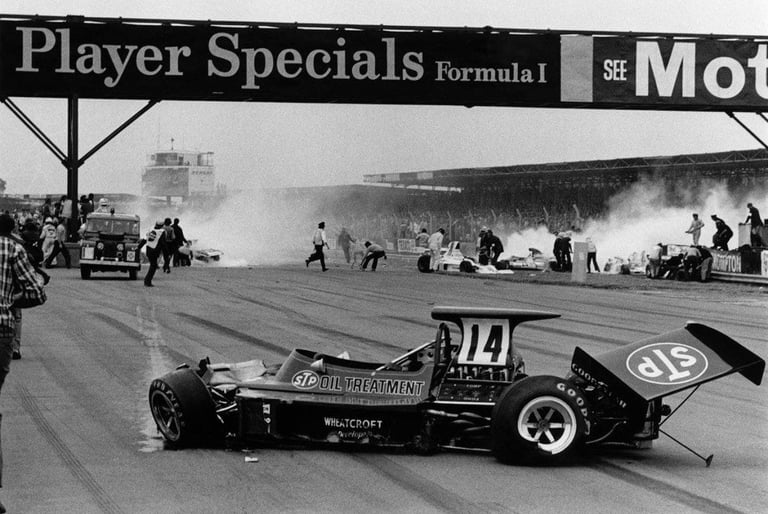
As the pack accelerated toward Woodcote Corner, almost flat-out, the cars were still grouped closely together. Jody Scheckter, in his first full Formula One season, lost control of his McLaren. His car struck the pit wall and rebounded directly into the path of the field. With drivers arriving at full speed and almost no space to react, a chain-reaction crash followed.
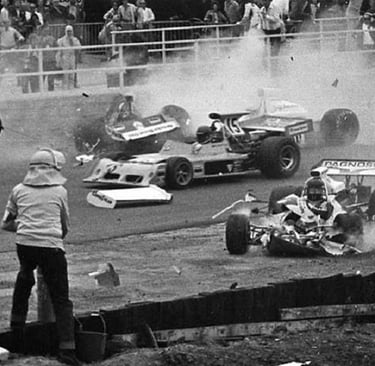
The accident involved multiple cars across the width of the circuit. Nine drivers were eliminated immediately. Among them was Andrea de Adamich, who suffered serious leg injuries that would end his Formula One career. The track was blocked by wreckage, several cars were damaged beyond repair, and marshals rushed to the scene. Race officials had no option but to stop the race.
For over an hour, the circuit remained quiet while debris was removed, barriers were repaired, and damaged cars were recovered. Eventually, the decision was taken to restart the Grand Prix over the original distance, but now with only 19 cars remaining.
When the race resumed, Peterson again moved into the lead, using the Lotus’ speed to control the opening phase. Behind him, Revson settled into a consistent rhythm. Rather than forcing moves early, he focused on maintaining lap time and staying clear of trouble as mechanical issues and fatigue began to affect several competitors.
As the race passed its midpoint, the gap at the front began to shrink. Revson gradually closed on Peterson, benefiting from stable handling and strong pace from the McLaren. The pressure built, and eventually Revson was able to move ahead. From there, he managed the closing stages carefully, keeping Peterson within reach but never allowing a serious challenge.
After 67 laps, Peter Revson took the chequered flag, securing the only Formula One victory of his career, just 2.8 seconds ahead of Peterson. Denny Hulme finished third, giving McLaren two cars on the podium after a race that had nearly ended their afternoon on the opening lap. James Hunt produced one of the standout drives, setting the fastest lap and finishing fourth.
The consequences of the race extended beyond the result. The scale of the Woodcote accident reinforced concerns about safety at ultra-fast circuits. In later years, a chicane was added at Woodcote, permanently changing one of Silverstone’s most famous corners.