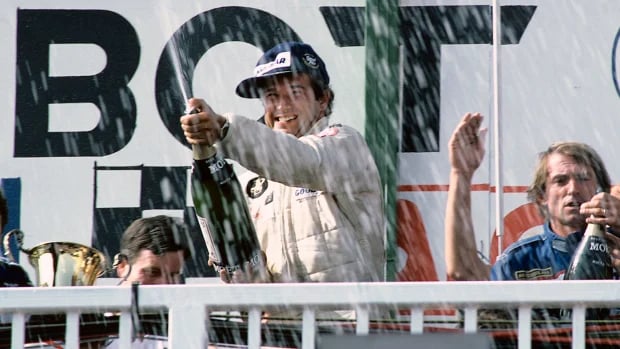
Forty Years Without Elio de Angelis — The Last Gentleman of Formula 1
On this day, May 15, 1986, Formula One lost one of its most extraordinary souls.
CLASSIC MOTORSPORT
5/15/20263 min read
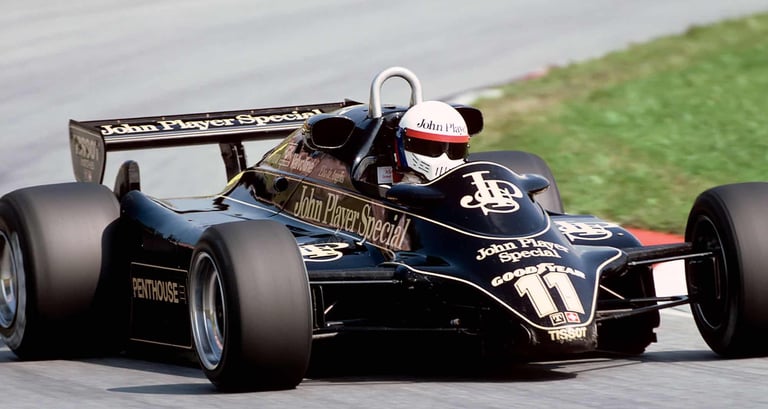
On this day, May 15, 1986, Formula One lost one of its most extraordinary souls. Elio de Angelis — born in Rome on March 26, 1958 — was not just a racing driver. He was an aristocrat of speed, a concert-standard pianist, and the son of a wealthy real estate developer who chose the roar of engines over the comfort of privilege. In a sport increasingly dominated by cold technocrats and corporate personas, Elio stood apart: charming, cultured, and genuinely beloved by everyone in the paddock.
A Career Built on Talent and Grace
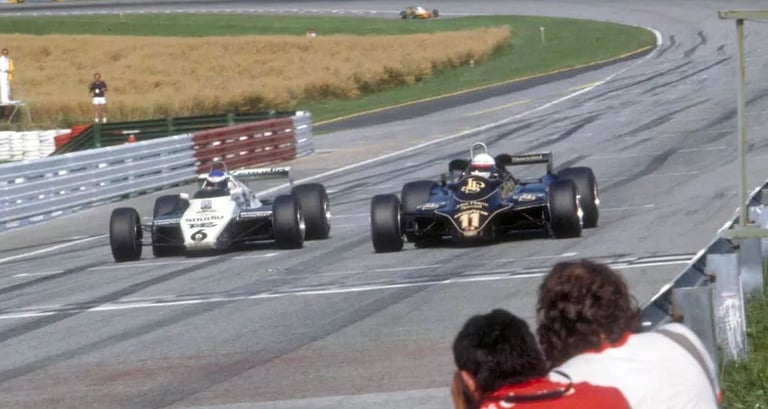
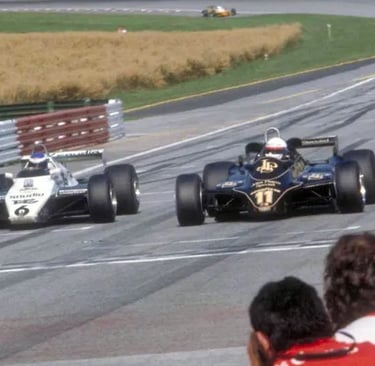
De Angelis made his Formula 1 debut in 1979 with Shadow, before joining Lotus where he would spend the most defining years of his career. At just 21, he became one of the youngest drivers to finish on the podium, taking second at the 1980 Brazilian Grand Prix. His first victory came at the 1982 Austrian Grand Prix, edging Keke Rosberg by a mere 0.05 seconds — the closest finish ever recorded in Formula 1 at that time.
A second win followed at the 1985 San Marino Grand Prix, and he finished third in the 1984 World Championship, cementing his reputation as one of the fastest and most consistent drivers of his generation.
The Move to Brabham and the Fatal Test
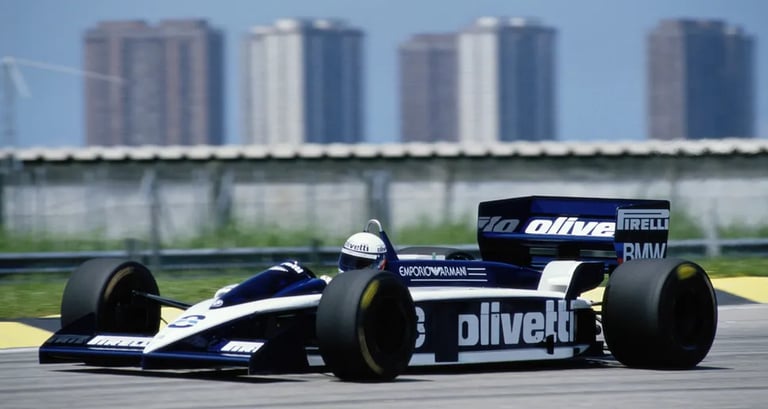
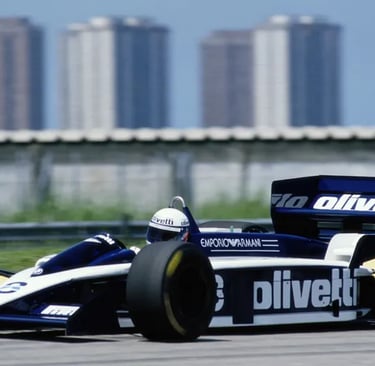
For 1986, seeking a new challenge, Elio joined Brabham to drive the radical and technically troubled BT55.
During a private test session at Circuit Paul Ricard on May 14, the car's rear wing failed catastrophically at high speed, sending the machine airborne and into a violent series of rolls before bursting into flames. Remarkably, Elio survived the initial crash with a broken collarbone — but what followed was tragically avoidable. Marshals were absent from the test session, the fire took minutes to be controlled, and the rescue helicopter arrived nearly 30 minutes later. He was airlifted to a hospital in Marseille but never regained consciousness, passing away 29 hours after the accident.
A Tragedy That Helped to Change Formula 1
His loss sent shockwaves through the entire motorsport world. Senna, Prost, and Mansell openly grieved. The tragedy triggered sweeping safety reforms across Formula 1 and motorsport as a whole — mandatory medical helicopters at all test sessions, stricter fire suppression protocols, and increased scrutiny of aerodynamic components. It also accelerated broader discussions that would eventually bring an end to the dangerous ground-effect and turbo era.
A Legacy That Endures
Forty years on, Elio de Angelis remains the symbol of a golden and dangerous age of Formula 1 — elegant, gifted, deeply human, and gone far too soon. He was one the last drivers to win a Grand Prix with a Ford Cosworth engine, and one of the few on the grid who could walk away from a debrief and sit at a grand piano with equal mastery. The sport evolved because of his death, but it never quite recovered the warmth his presence brought to the paddock. Today, we remember not just the driver, but the man. Quarant'anni, Elio. Non ti abbiamo dimenticato.