
Lotus 78: the car that taught Formula One to use the ground
CLASSIC MOTORSPORT
1/25/20265 min read
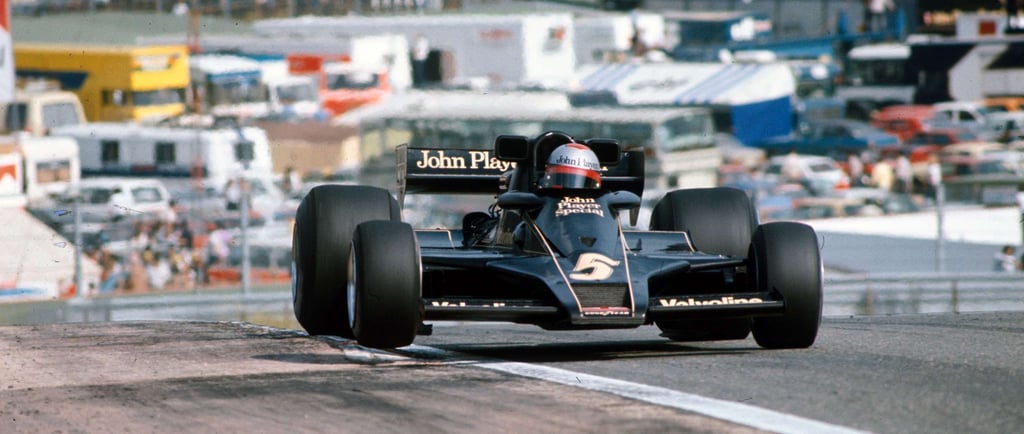
For nearly two decades, Formula One built its aerodynamic performance above the chassis. From the late 1960s onward, wings grew larger and more complex, transforming lap times and cornering speeds. They also created new limitations. Drag increased, airflow became more turbulent, and the cars became increasingly sensitive to disturbed air. By the mid-1970s, that path was approaching saturation.
Every significant gain in downforce extracted from wings carried a growing aerodynamic and structural penalty. Regulators restricted their size and position. Engineers refined profiles and mounting points, but the compromises remained. Performance above the car was becoming progressively harder to extract.
At Lotus, dissatisfaction with this direction was already clear. Colin Chapman believed the next breakthrough would not come from enlarging what was visible, but from exploiting what was not.
Attention turned to the underside of the car.
The unsolved aerodynamic problem
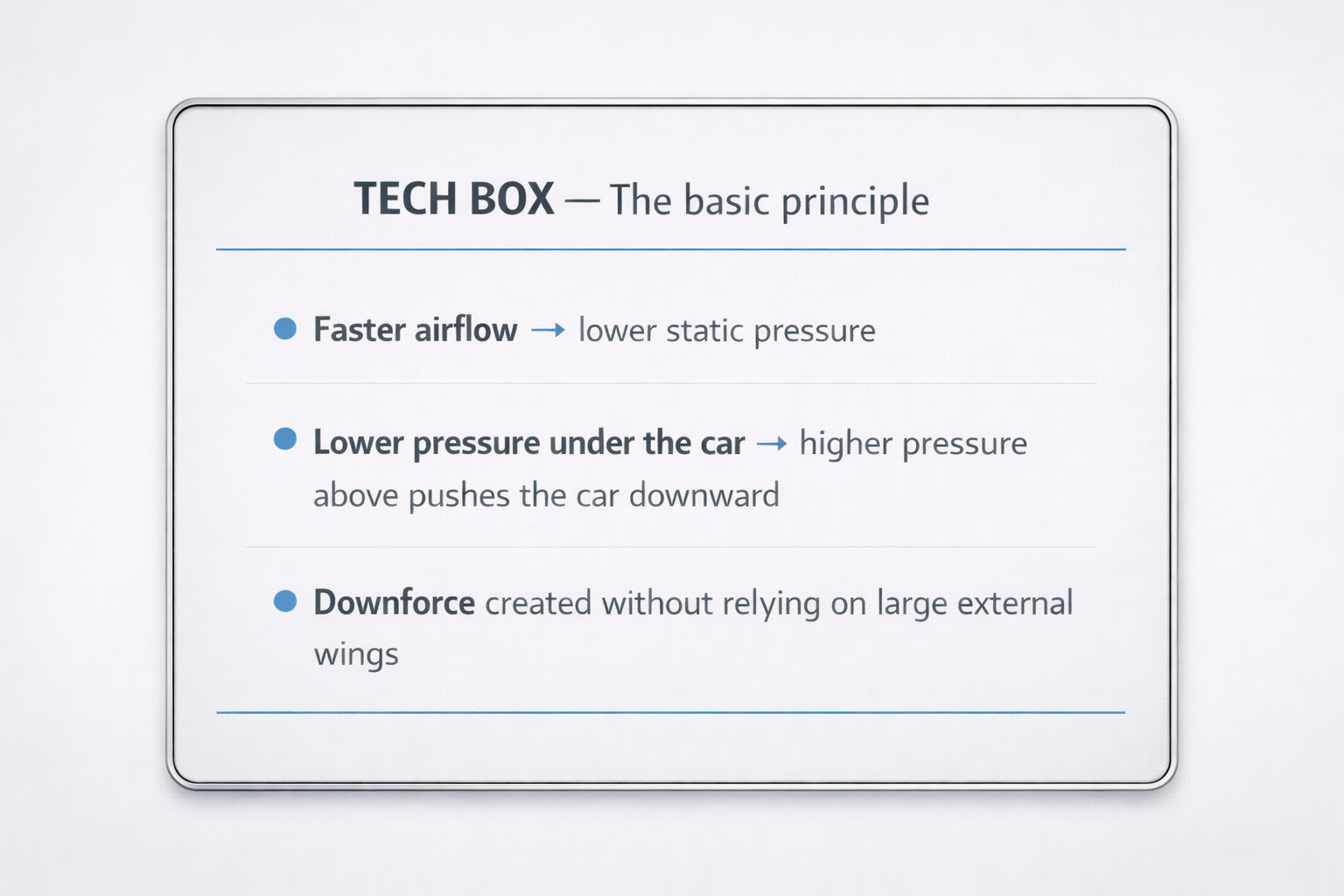
Outside Formula One, the physics were well understood. When air accelerates through a narrowing channel, its static pressure falls. If such a low-pressure region exists beneath a vehicle, the higher pressure above pushes it downward. Properly controlled, this effect can generate large aerodynamic loads with comparatively little drag.
In contemporary Formula One cars, however, the floor was little more than a flat plate. Airflow beneath it was chaotic, disturbed by suspension components and proximity to the ground. It was something to minimise, not exploit.
Inside Lotus: turning theory into architecture
Peter Wright, working alongside Ralph Bellamy and Tony Rudd, began studying how the sidepods and floor could be shaped into inverted aerofoils. Early experiments confirmed that sculpted tunnels could accelerate airflow dramatically and create strong suction beneath the chassis.
They also exposed the weakness of the idea.
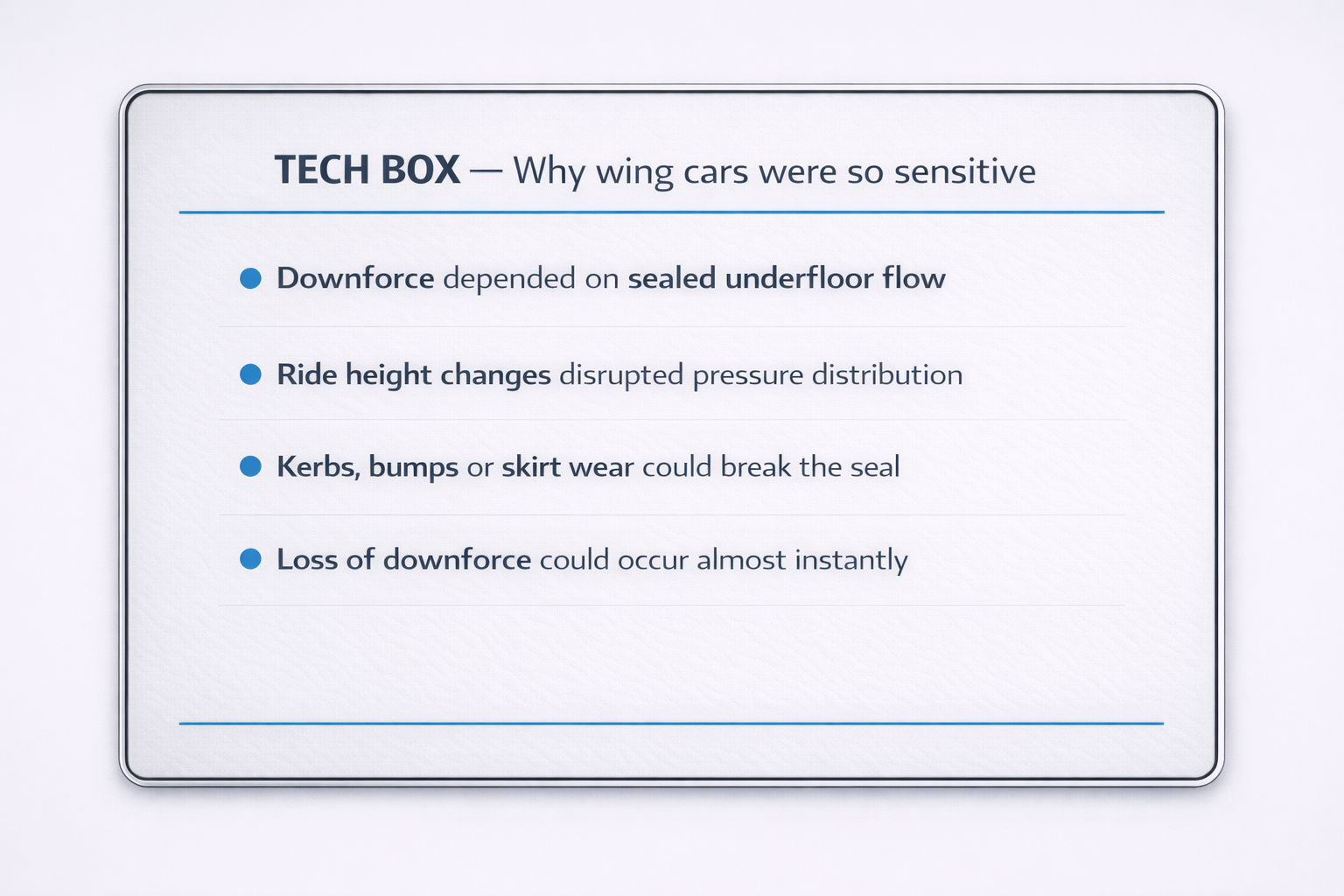
Any gap between the floor and the track allowed higher-pressure air to flood underneath, destroying the pressure differential almost instantly.
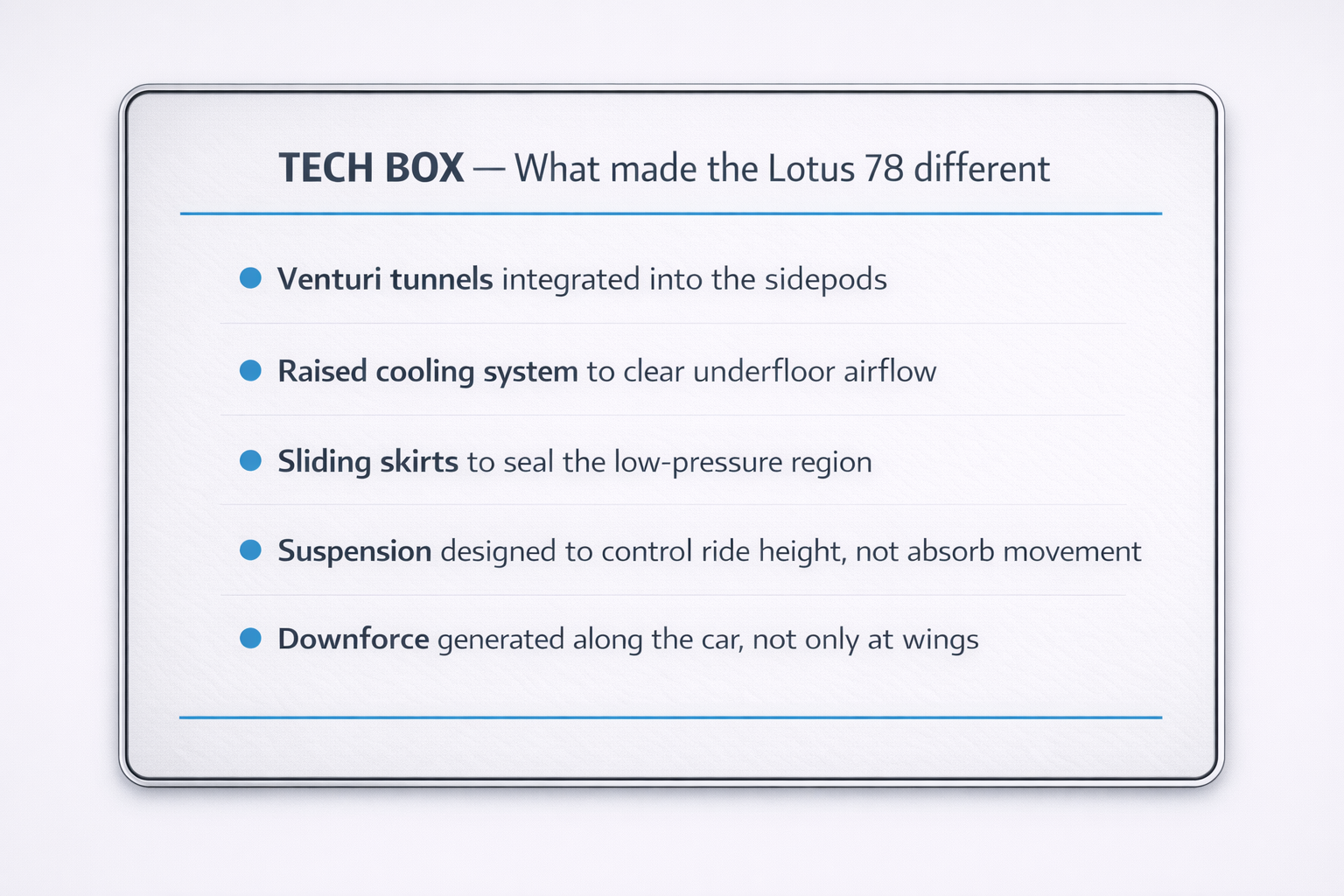
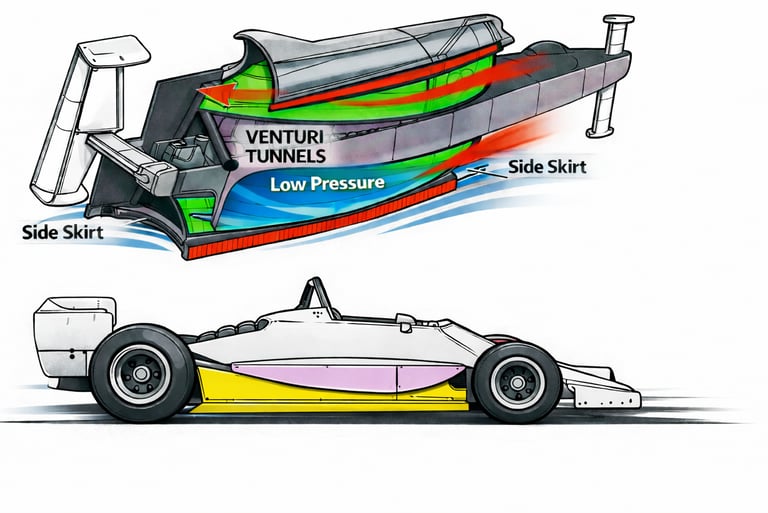
The solution lay in sealing the system. Sliding skirts were developed to form a mobile boundary between the car and the ground. Their role was not to create downforce, but to preserve it, isolating the low-pressure region beneath the car.
Lotus 78: a car designed as an aerodynamic system
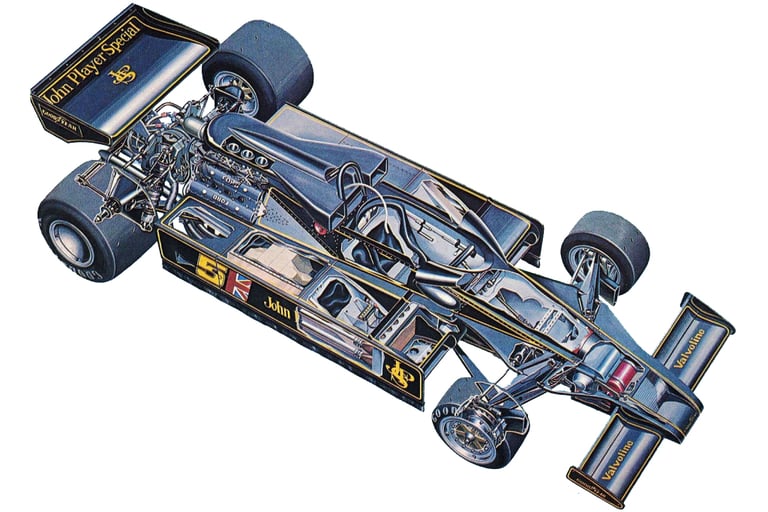
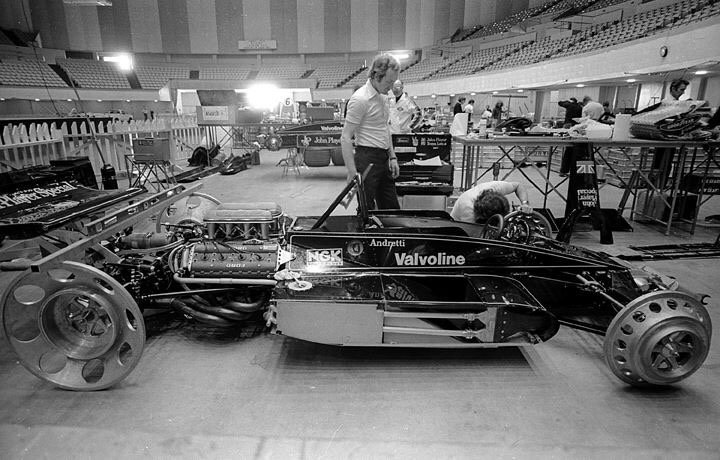
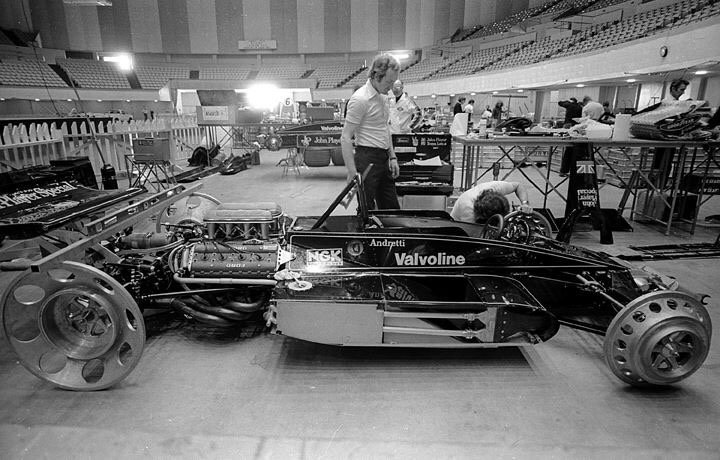
Rather than adding aerodynamics to an existing structure, Lotus designed a structure around aerodynamics.
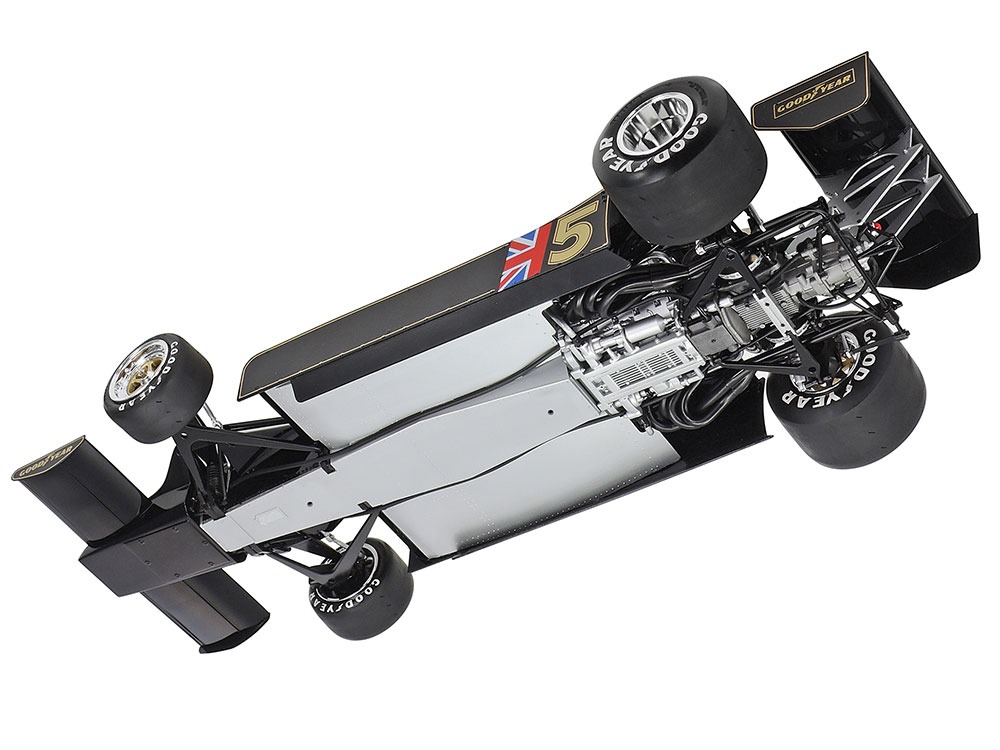
The sidepods became long venturi tunnels, narrowing to accelerate airflow and lower static pressure. Radiators were raised and repositioned to clear the underfloor volume. The floor itself became the car’s primary aerodynamic surface.
As air entered beneath the chassis, it was guided through these tunnels, accelerating and creating an extended low-pressure region. Atmospheric pressure acting on the body above forced the car downward. Unlike a wing, which applies load at specific points, the Lotus 78 distributed downforce along much of its length.
Small variations in ride height now produced large changes in downforce.
Why the Lotus 78 changed everything
Traditional wings operated in free air, generating significant drag and turbulent wake. The Lotus system worked in a semi-contained environment, producing downforce close to the ground with far lower aerodynamic cost.
This lowered the centre of pressure, improved high-speed stability and reduced dependence on large external surfaces. Wings became trimming tools rather than primary load generators.
From the cockpit, the difference was immediate. Grip increased rapidly with speed. Long corners could be taken with sustained throttle. What appeared visually conservative delivered performance through mechanisms competitors initially struggled to measure and replicate.
From innovation to arms race
Once understood, the concept spread rapidly.
Wind tunnel programmes were rebuilt. Sidepods were carved into deeper venturi profiles. Cooling systems were rearranged. The racing car’s architecture changed because its airflow priorities had changed.
But the deeper teams went, the narrower the operating window became.
A few millimetres of ride-height variation altered airspeed and pressure significantly. Downforce became inseparable from suspension behaviour.
Springs stiffened. Travel was reduced. Compliance was sacrificed to aerodynamic stability. Skirts evolved into precision sealing systems designed to follow the track surface under roll, braking and yaw.
Formula One cars were no longer mechanical devices enhanced by aerodynamics, they were aerodynamic systems constrained by mechanics.
The other side of ground effect
Venturi systems do not fail progressively. When the seal is broken or ride height increases abruptly, airflow structure collapses. Low pressure equalises. Suction disappears.
Kerbs, surface undulations, skirt wear or chassis flex could trigger sudden loss of grip. Drivers were now operating cars that could generate immense load one moment and dramatically less the next.
As downforce increased, so did structural stress. Floors were reinforced. Skirt mechanisms demanded constant maintenance. Suspensions operated at the edge of stiffness. Circuits built for another era were confronted with unprecedented cornering speeds.
When regulation ended the wing car
The FIA first targeted skirts, attempting to restrict their movement and effectiveness. Teams responded with flexible mechanisms and clever interpretations. Ride-height checks tightened. Deflection tests increased.
Eventually, the governing body addressed the architecture itself.
From 1983, regulations mandated a continuous flat reference plane between the front and rear wheels. This eliminated the venturi tunnels fundamental to classic ground-effect cars.
The wing-car era was over.
The legacy of the Lotus 78
Once the performance beneath the chassis had been revealed, it could not be unlearned. Even within flat-bottom constraints, engineers pursued controlled underfloor airflow. Diffusers grew in importance. Floor edges became aerodynamic tools. Vortices were engineered to act as virtual skirts.
Every subsequent era sought, in regulated form, to recover what the Lotus 78 had first achieved mechanically.
Modern Formula One cars, dominated by underfloor performance and ride-height control, remain direct descendants of that shift.
After 1977, Formula One no longer began by asking how to place wings in the airflow, it began by asking how to shape the air beneath it.
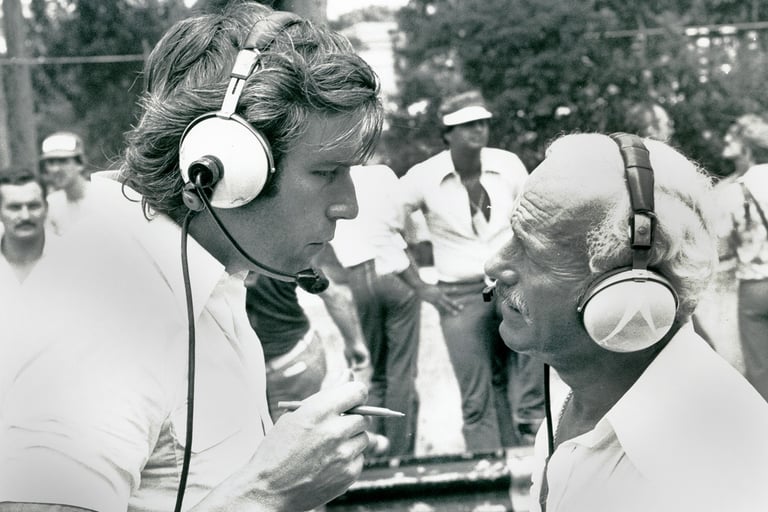
Peter Wright and Colin Chapman
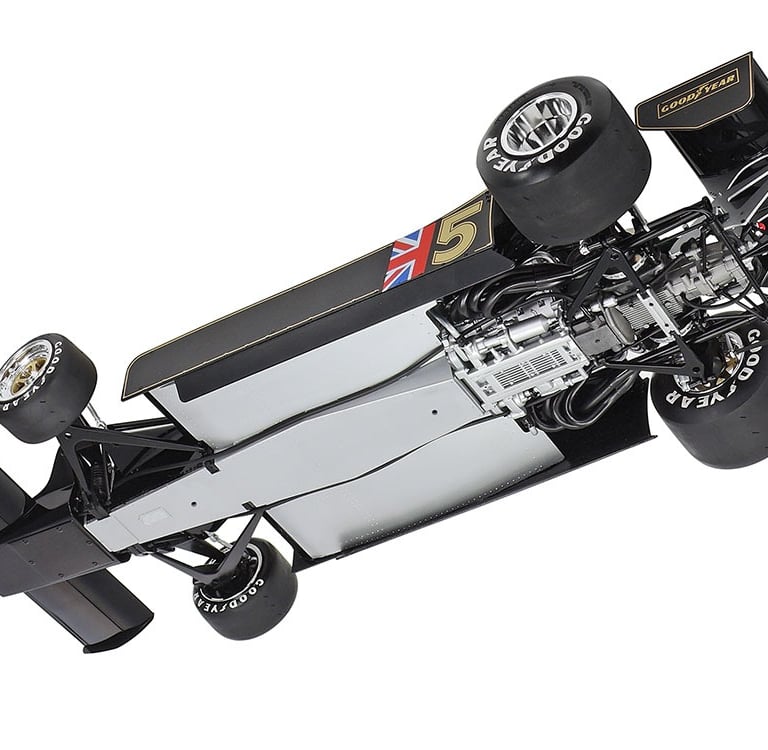
Lotus 78 - View of the car’s underfloor
Lotus 78
Lotus 78 - Side View Without Sidepods Skirts
Ground-effect wing car operating diagram
