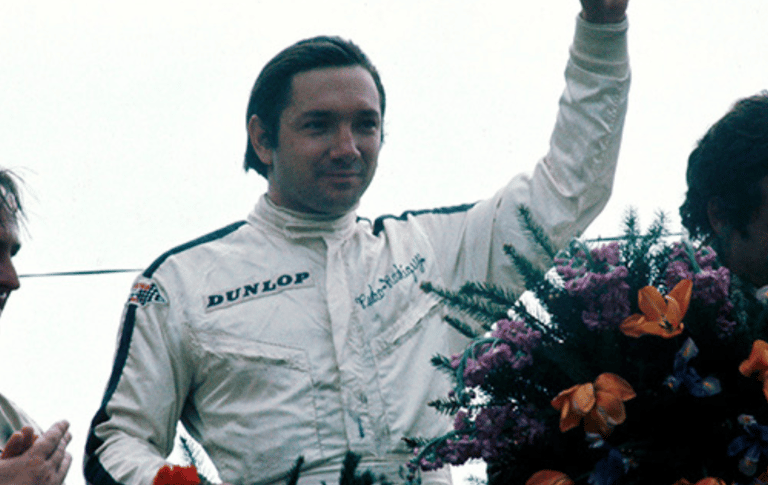
Pedro Rodríguez and the Final Battle of Old Spa: Inside the 1970 Belgian Grand Prix
CLASSIC MOTORSPORT
1/22/20264 min read
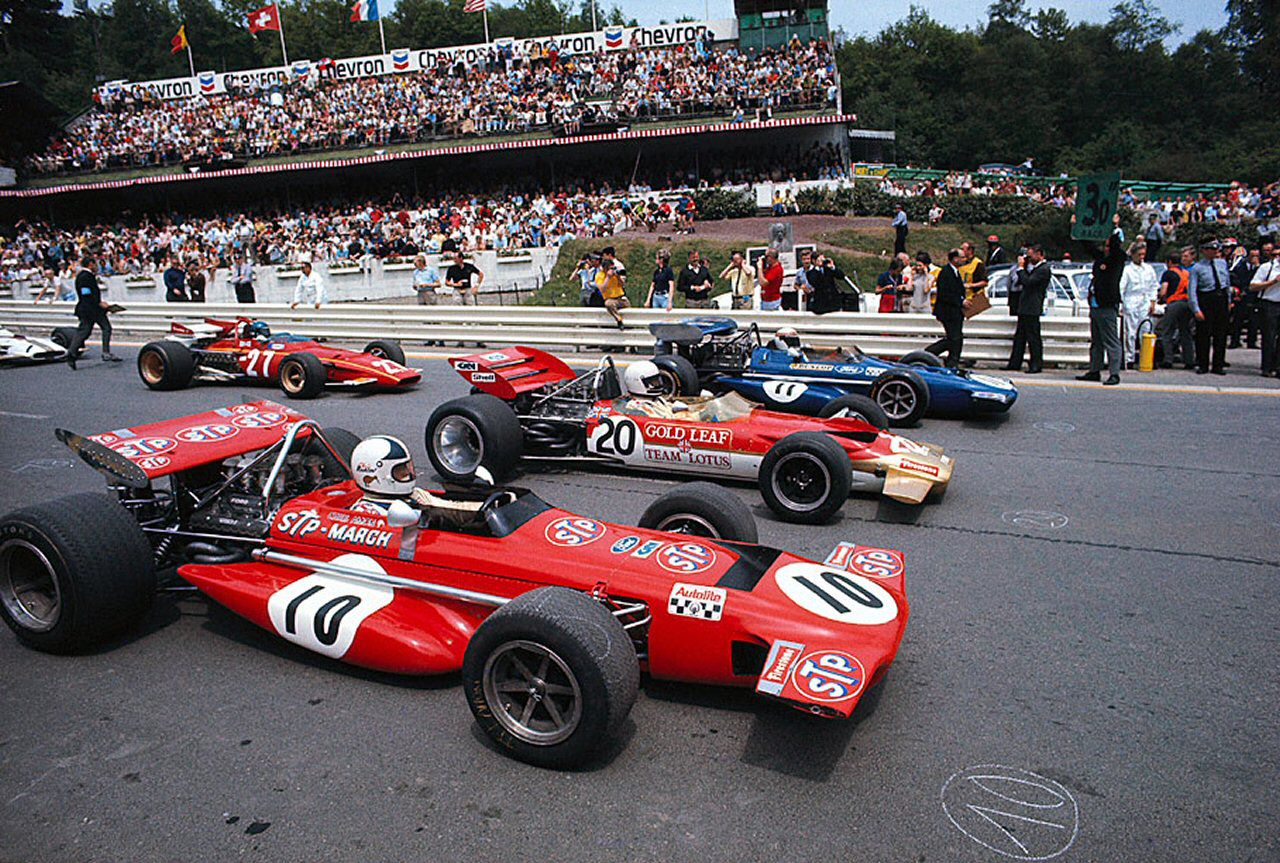
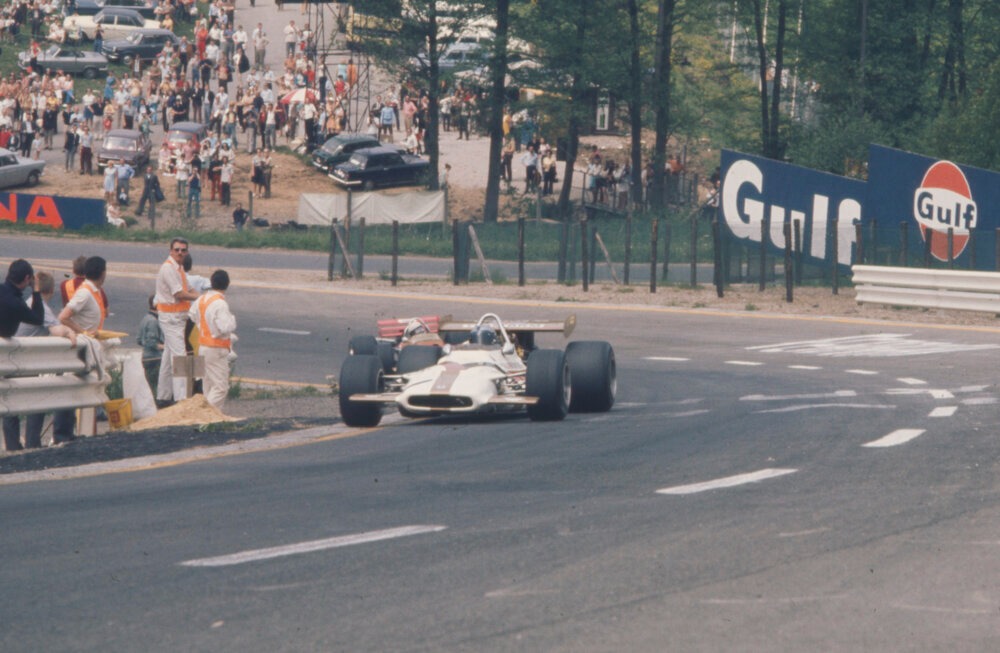
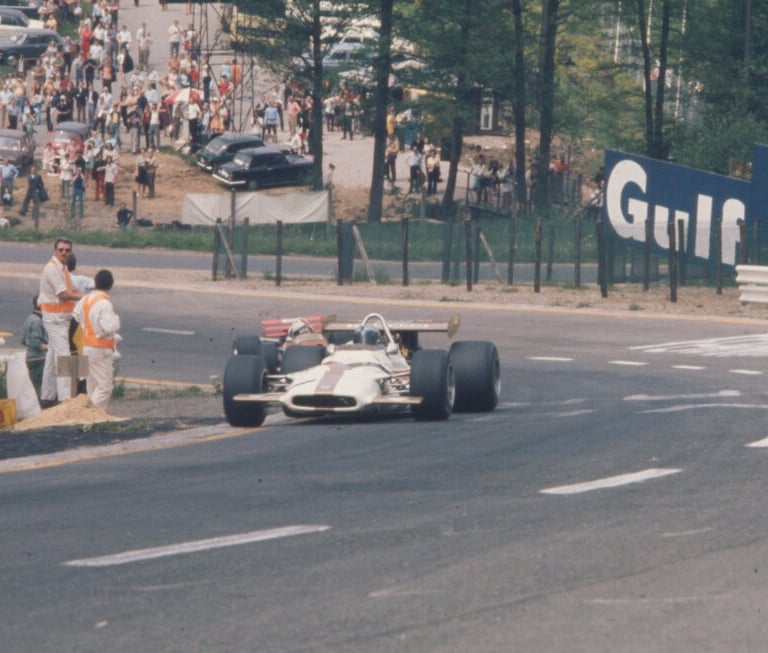
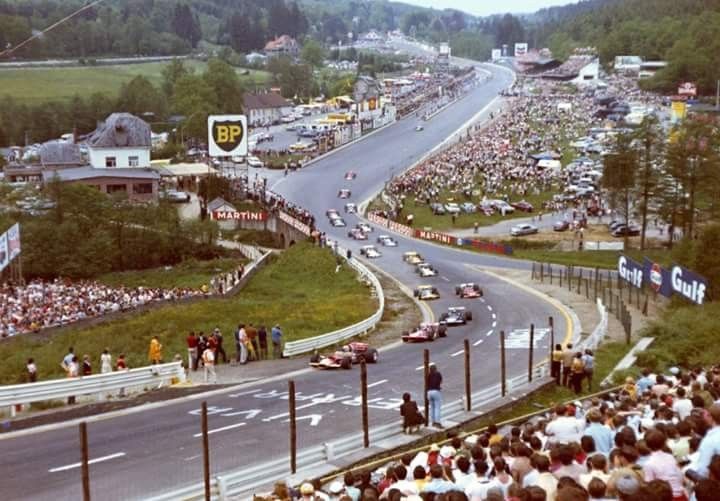
The 1970 Belgian Grand Prix, held on June 7, 1970, on the fearsome original 14.1 km layout of Spa-Francorchamps, marked a decisive chapter in Formula 1 history and in the debate over safety in motorsport. It was the last World Championship race held on the classic layout linking the villages of Francorchamps, Malmedy, and Stavelot, a circuit that was essentially a collection of public roads used at extreme speed, with no run-off areas, no proper barriers, and no protection from trees, houses, and stone walls — a scenario every driver knew could be fatal if anything went wrong.
The background to Spa’s return to the calendar in 1970 was the Formula 1 boycott of 1969, led by then-world champion Jackie Stewart and supported by the GPDA (Grand Prix Drivers’ Association). The central issue was the lack of safety at Spa, where average cornering speeds exceeded 240 km/h (150 mph) with almost no protection. Stewart demanded major improvements to safety standards, including proper barriers at high-speed sections and better track surfaces, but circuit officials at the time refused to implement everything that was required before the event. This led to the cancellation of the 1969 Belgian Grand Prix, triggering criticism from the press and intensifying the debate between tradition and safety in racing.
Despite the ongoing tensions, the organizers carried out some limited modifications, including the installation of Armco barriers in certain parts of the circuit, and Formula 1 returned in 1970. However, despite these minor changes, the circuit remained extremely fast and dangerous — virtually every high-speed corner, such as the infamous Masta Kink, Blanchimont, and Stavelot, along with the long flat-out sections between them, kept cars on the edge of control by only a few centimeters.
Qualifying reflected the level of performance of both cars and drivers on such a brutal circuit: Jackie Stewart took pole position in the March-Ford 701 with a time of 3m28.0s, followed by Jochen Rindt (Lotus) and Chris Amon, also in a March-Ford. Mexican driver Pedro Rodríguez qualified sixth in the BRM P153, despite engine and gearbox problems during practice.
At the start, under dry conditions, Chris Amon jumped from third to take the lead on the opening lap, using the power and stability of his March-Ford on the long flat-out sections. Stewart responded immediately, retaking the lead on the second lap through Les Combes, but Amon reclaimed the position again on lap three. Meanwhile, Rodríguez was charging through the field: he passed Jochen Rindt to move into third, and on lap four overtook Stewart to take second place behind Amon.
The decisive moment came on lap five, when Rodríguez passed Amon to take the lead, using superior traction and commitment through ultra-fast sections such as Masta Kink. From that point on, the Mexican driver set a strong and consistent pace, opening a small gap while Amon fought to stay with the BRM. The race turned into a direct duel between the two, with Rodríguez leading and Amon responding within less than two seconds for most of the remaining laps.
Stewart, who had spent several laps at the front, began to lose pace due to an engine problem and eventually retired on lap 14, opening the door for other contenders. Behind the leading pair, Jean-Pierre Beltoise settled into a steady race to secure third place, benefiting from several retirements and from a less aggressive but effective approach on such a demanding circuit.
In the closing stages, the battle between Rodríguez and Amon remained intense until the final lap, with no further changes of position after the pass on lap five. Chris Amon set the fastest lap of the race on lap 28, underlining the constant pressure he applied. However, Pedro Rodríguez crossed the finish line with only a 1.1-second advantage. Beltoise completed the podium in third, followed by Ignazio Giunti in fourth, who delivered a solid result in his debut for Ferrari.
The 1970 race was also marked by sad events away from the track: McLaren did not take part, as team founder and driver Bruce McLaren had been killed in a Can-Am testing accident just days earlier, while his teammate Denny Hulme was injured after an accident at Indianapolis — a grim reminder of how dangerous motorsport was at the time.
Soon after the event, it became clear that Spa, even with minor improvements, was still far below the minimum safety standards required for Formula 1 events. The lack of run-off areas, the proximity of solid obstacles, and the extremely high average speeds remained major concerns. As a result, the 1971 Belgian Grand Prix was cancelled, and in the following years the race moved to safer venues such as Nivelles and Zolder until Spa was completely rebuilt and returned to the calendar in 1983 as a permanent circuit meeting modern safety standards.