The Class of 1985: Legends, Lost Heroes and the Lives They Built After Formula 1
Forty years on from one of the most talent-packed seasons in F1 history, we trace every driver who took the grid in 1985 — from world champions to forgotten heroes — and find out where life took them after the chequered flag fell for the last time.
CLASSIC MOTORSPORT
5/26/202622 min read
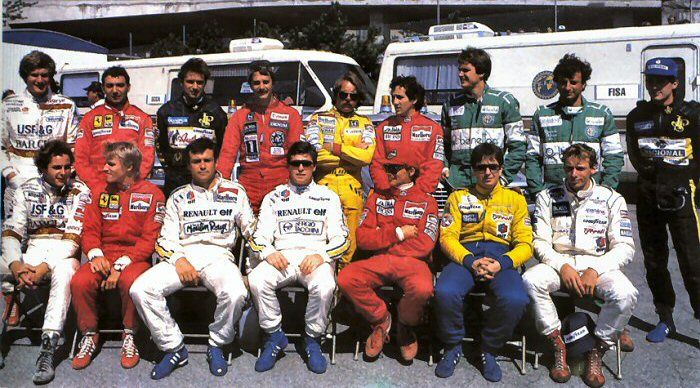
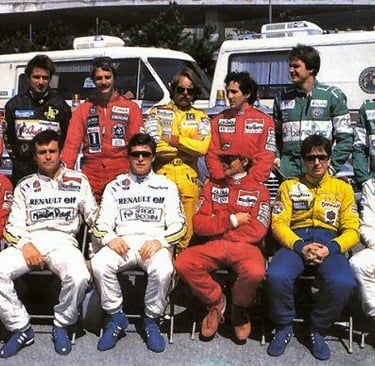
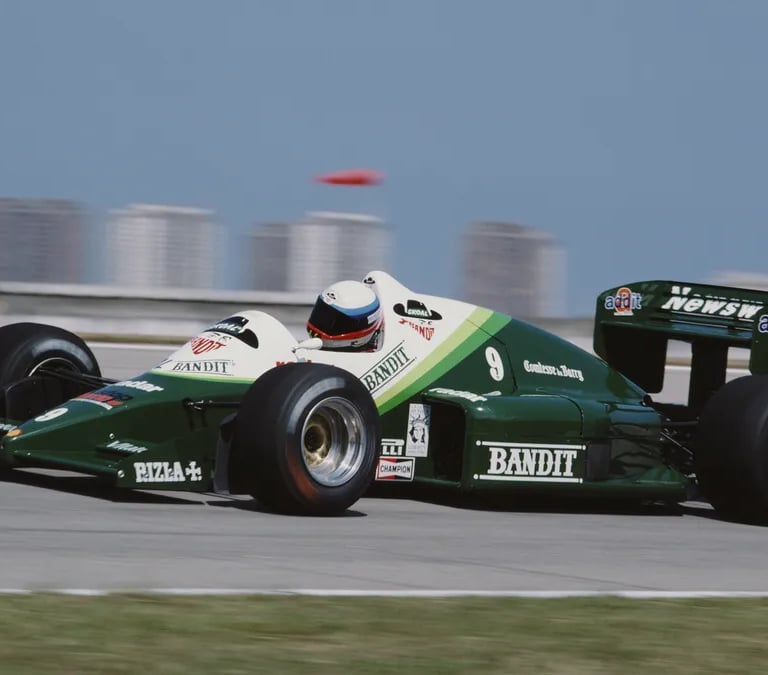
The 1985 Formula 1 World Championship was, in many ways, a season that stood at the crossroads of two eras. The turbo revolution was at its peak, horsepower figures were reaching levels that would never be seen again, and the circuits demanded a combination of courage and precision that separated the truly great from the merely talented. Spanning 16 races across four continents — from the rainy roads of Estoril to the sun-scorched streets of Adelaide — the season brought together on the same grid an extraordinary collection of names: seasoned world champions still hungry for glory, rising stars on the verge of greatness, and unsung fighters who gave everything they had to simply make the start line.
It was a season of breathtaking drama. Alain Prost finally claimed a title that had slipped through his fingers twice. Michele Alboreto gave Ferrari — and all of Italy — a genuine championship fight for the first time in years. A young Ayrton Senna announced himself to the world with one of the most spectacular drives ever seen in the rain at Estoril. Niki Lauda, in the final chapter of a legendary career, won one last time at Zandvoort. And in the shadows of those headlines, a generation of fighters — from Pierluigi Martini's debut in the back of the grid with a brand-new Minardi, to John Watson's one-off comeback at Brands Hatch — wrote their own smaller but no less meaningful stories.
Not all of them would survive. Two drivers — Stefan Bellof and Manfred Winkelhock — never saw the end of that same year, both killed in separate endurance racing accidents within weeks of each other. Elio de Angelis, one of the most gifted men to ever sit in a racing car, was gone by the following spring. The season of 1985 was glorious and brutal in equal measure, as the sport so often was in that era.
Forty years on, this article revisits all 36 drivers who took to the grid at least once that season, telling the story of who they were in 1985, what came after — the titles, the tragedies, the careers reinvented — and where they stand today.
Alain Prost — The Professor Becomes Champion
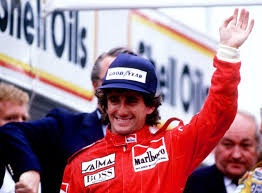
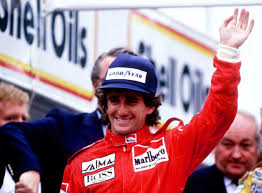
In 1985, Alain Prost finally claimed the title that had escaped him twice in a row. Driving the McLaren-TAG, the Frenchman accumulated 5 victories and 76 points, surpassing Michele Alboreto by a comfortable margin and being crowned champion at the European GP at Brands Hatch. It was the first of four world titles for "The Professor," as he was known for his strategic intelligence and race-craft consistency.
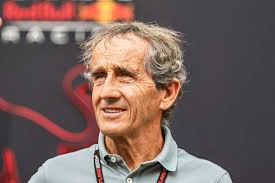
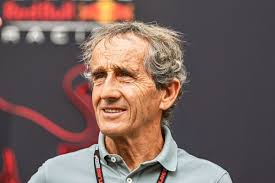
After 1985, Prost went on to win three more titles (1986, 1989, and 1993), retiring as a four-time champion. In the years that followed, he founded his own team, Prost Grand Prix, which competed from 1997 to 2001. More recently, between 2019 and 2021, he served as shareholder and non-executive chairman of the Alpine F1 team (formerly Renault). Today, at 71 years old, Prost remains active as an ambassador and commentator in the sport.
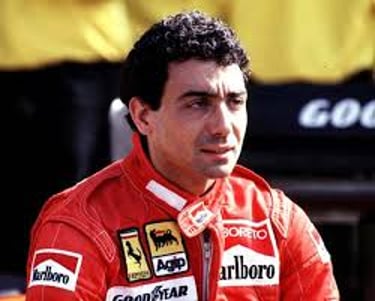
Michele Alboreto — The Italian Dream
Michele Alboreto was Prost's great rival in 1985 and led the championship comfortably in the first half of the season, after winning in Canada and demonstrating Ferrari's superiority in street circuits. But a run of five consecutive races without points in the second half buried his chances. He finished the year in second place with 53 points, leaving the Ferrari faithful heartbroken.
Alboreto continued in F1 until 1994 and started 194 Grands Prix throughout his career. After retiring from single-seaters, he moved into endurance racing, competing at Le Mans and in the DTM. Tragically, he died on 25 April 2001, aged 44, during a test of an Audi R8 at the Lausitzring circuit in Germany, when a tyre blew out at high speed. A devastating loss to the motorsport world.
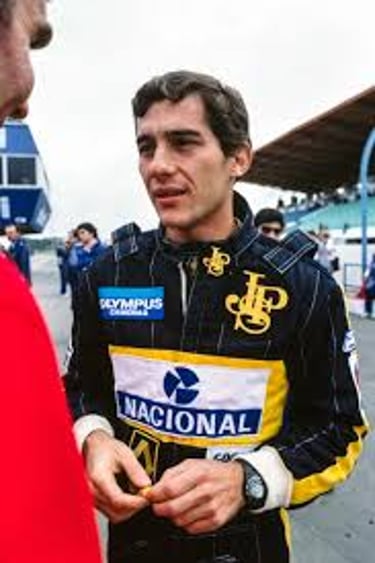
Ayrton Senna — The Rising Star
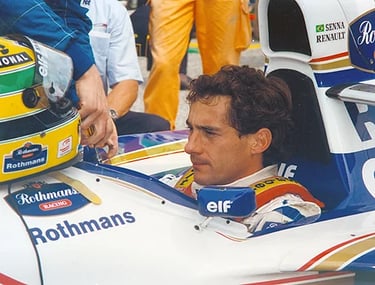
In 1985, Ayrton Senna made it abundantly clear to the world what he was made of. His debut victory at the Portuguese GP, driving in torrential rain at Estoril, is still remembered as one of the greatest driving performances in F1 history — a perfect display of control and mastery in extreme conditions. In total, he scored 38 points and took 7 pole positions, more than any other driver that year.
Senna moved to McLaren in 1988, where he dominated the sport alongside Prost in a legendary rivalry. He won three world championships (1988, 1990, and 1991). On 1 May 1994, during the San Marino Grand Prix at Imola, Senna died after crashing at the Tamburello corner while driving for Williams. He was 34 years old and left behind an immeasurable legacy for the sport.
Keke Rosberg — The Flying Finn
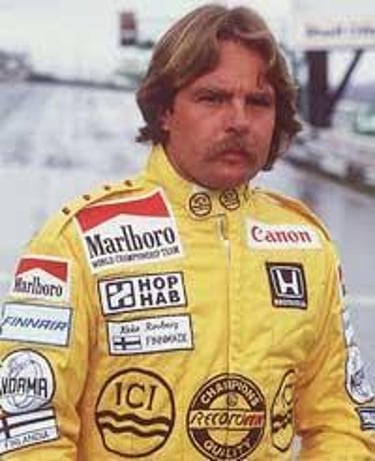
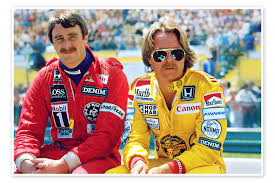
Keke Rosberg, the 1982 world champion, drove the 1985 season for Williams-Honda and had a season of highs and lows. He finished third in the championship with 40 points, winning in Detroit and Adelaide — the latter being his farewell to Williams with an emotional victory in the inaugural Australian Grand Prix. He was a driver of pure instinct and speed, famously known for his abilities in street circuits.
After retiring in 1986, Rosberg became a businessman and driver manager, one of the most influential behind-the-scenes figures in motorsport. His son, Nico Rosberg, would go on to become the 2016 F1 World Champion with Mercedes — making them the only father-and-son pair to both be world champions in the history of the sport. At 77 years old, Keke still appears at motorsport-related events.
Nigel Mansell — From Frustration to Triumph
In 1985, Nigel Mansell was in his first full season with Williams-Honda and began showing the brutal potential that would come to define him. He finished sixth with 31 points, but won two races in the final stages — the European GP and the South African GP — sending a clear signal that something great was coming.
Mansell won the world championship in 1992 with Williams in a dominant season, and also won the CART IndyCar championship in 1993 — the only driver ever to hold both the F1 and IndyCar titles simultaneously. He retired definitively in 1995. Today, at 72 years old, Nigel Mansell is a beloved figure in the British paddock, participates in historic car events, and occasionally works as a commentator. His aggressive, never-say-die style made him one of the most popular drivers in F1 history.
Elio de Angelis — The Silenced Talent
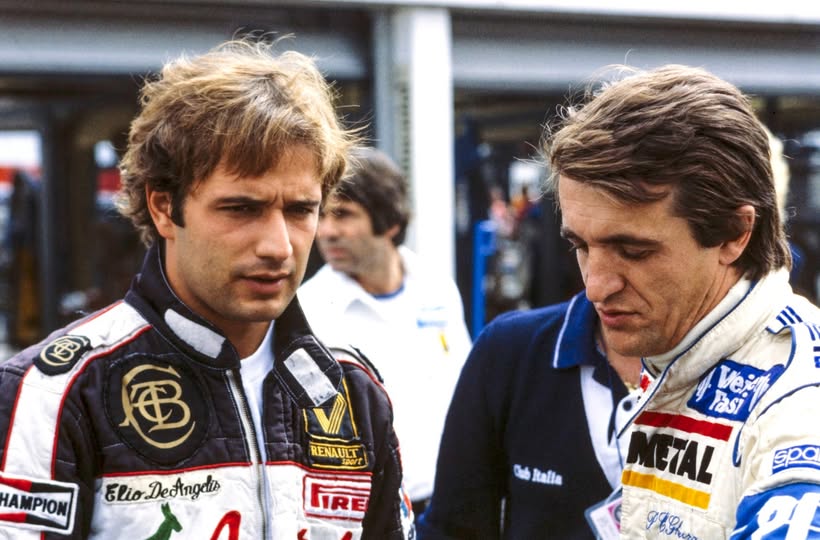
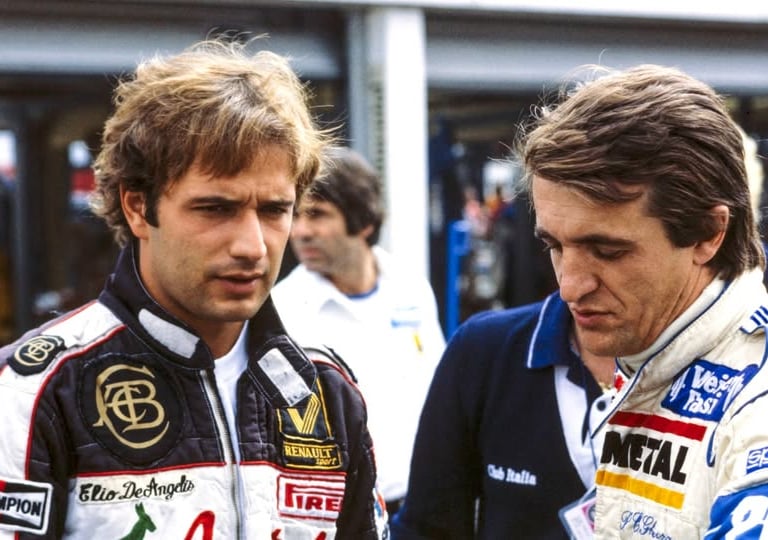
Elio de Angelis ended 1985 in fifth place with 33 points, driving the Lotus-Renault number 11. He won the San Marino GP heroically after Senna ran out of fuel, and was one of the most consistent drivers on the grid that year. A gifted pianist, Roman aristocrat, and a driver of great technical delicacy, De Angelis was widely regarded as a future world champion.
Tragically, Elio did not survive to see the 1986 season through. On 15 May 1986, during a Brabham test at the Paul Ricard circuit in France, the rear wing of his car failed at high speed. The car overturned and caught fire. A lack of adequate emergency infrastructure on site delayed the rescue, and Elio died the following day in a Marseille hospital from head and chest injuries. He was just 28 years old. His death deeply shook the paddock and accelerated debate about safety in testing.
Nelson Piquet — The Three-Time Champion in Transition
Piquet spent 1985 in a temperamental Brabham-BMW — when it worked, it was devastating, as in his victory at the French GP where the BMW engine delivered the highest power output on the grid that year. But reliability was terrible, and he finished only eighth with 21 points. It was the end of a cycle: Piquet knew he needed a better car.
In 1986, he moved to Williams and claimed his third and final title in 1987 in an epic battle against Mansell. He raced in F1 until 1991 and after a serious crash at Indianapolis in 1992 that left lasting effects, he retired from single-seater racing in 1993.
After retirement, Piquet became a highly successful businessman in Brazil, building strong interests in areas such as real estate and other private ventures. He also played an important role in supporting the early career of his son, Nelson Piquet Jr., helping guide him through the junior categories and eventually to Formula 1. Today, at 73 years old, Piquet remains one of the most important Brazilian figures in the history of the sport and a controversial figure.
Niki Lauda — One Last Battle
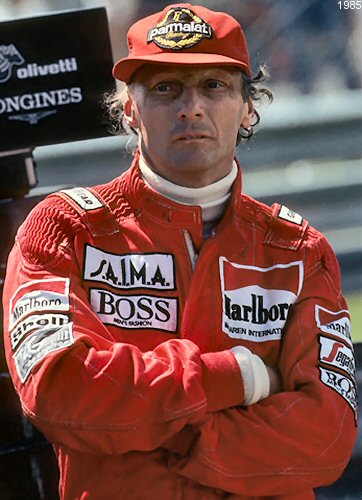
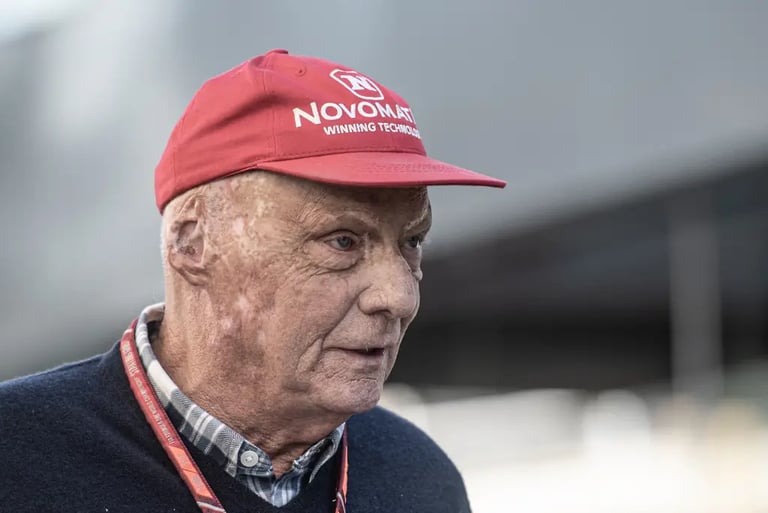
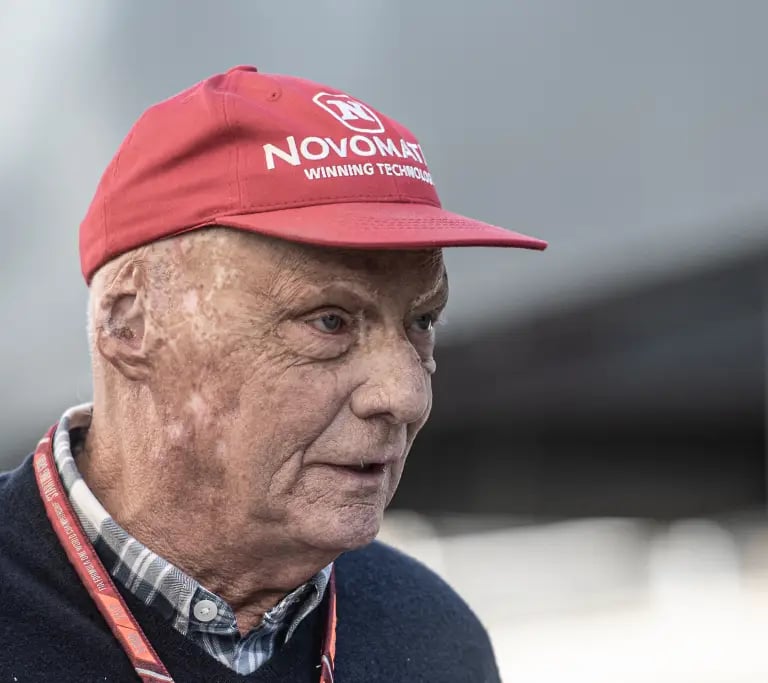
Niki Lauda lived out his final F1 season in 1985, plagued by mechanical problems throughout. Yet he was still capable of making history, winning the Dutch GP at Zandvoort in dramatic fashion — his 25th and last victory in the category, taken by one of the narrowest of margins over his McLaren teammate Prost. At the Australian GP, his final race, he suffered brake failure and retired — a melancholy ending for a three-time champion.
After retiring at the end of 1985, Lauda returned to the aviation business, running his own airline, Lauda Air. He also worked as a consultant, commentator, and later as non-executive chairman of Mercedes AMG Petronas F1, playing a key role in the team's dominance during the hybrid era with Hamilton. Niki Lauda passed away on 20 May 2019, aged 70, in Zurich, Switzerland, due to renal failure following a kidney transplant. The world of motorsport lost one of its greatest personalities.
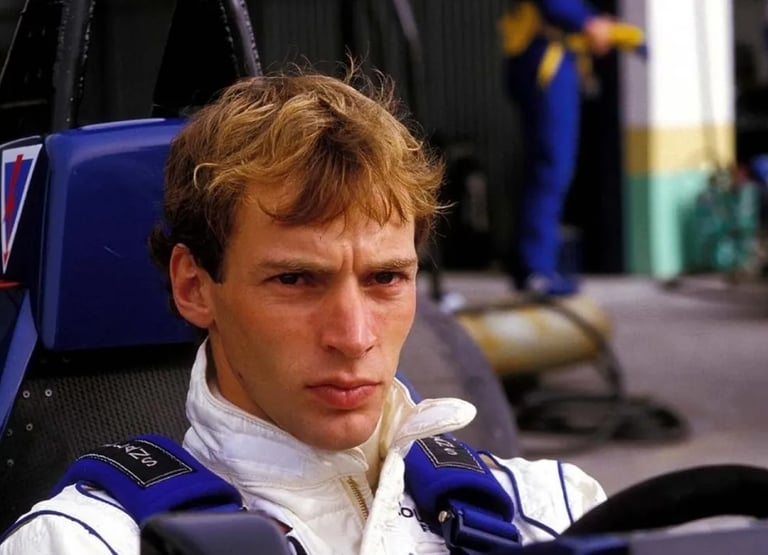
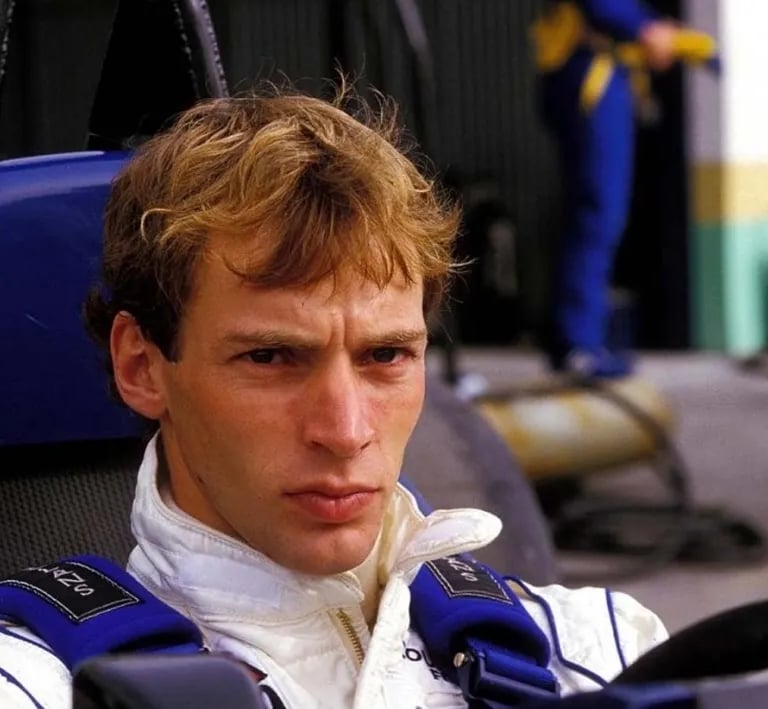
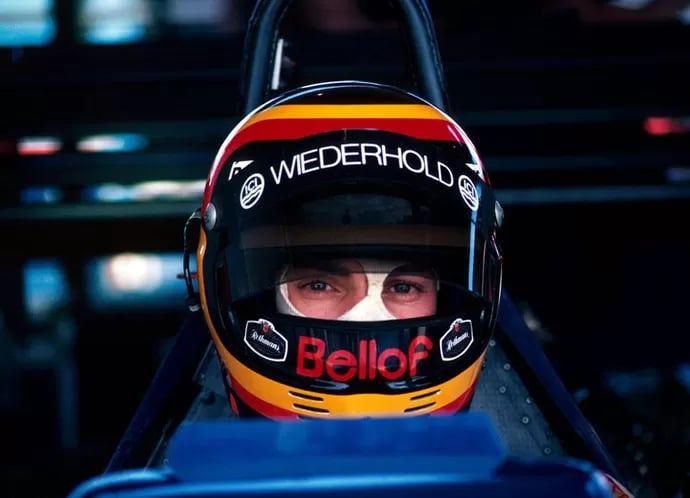
Stefan Bellof — A Brilliance Extinguished Too Soon
Stefan Bellof was, in 1985, the most eagerly awaited young talent in the paddock. At 27 years old and driving for Tyrrell, the German scored just 4 points that year — but his raw speed and instinct made him a natural candidate for a title challenge with a more competitive team. He was the 1984 World Endurance Champion with Porsche, and the lap record he set at the Nürburgring in 1983 (6:11.13) stood untouched for 35 years.
Bellof's last F1 race was the Dutch GP in August 1985. On 1 September 1985, during the 1000 km of Spa in the sportscar category, Stefan attempted a bold overtake on Jacky Ickx at Eau Rouge. The two Porsches made contact, and Bellof was thrown into the barriers. He died at the scene, just over an hour after the accident. He was 27 years old. Motorsport lost one of its greatest talents far too soon.
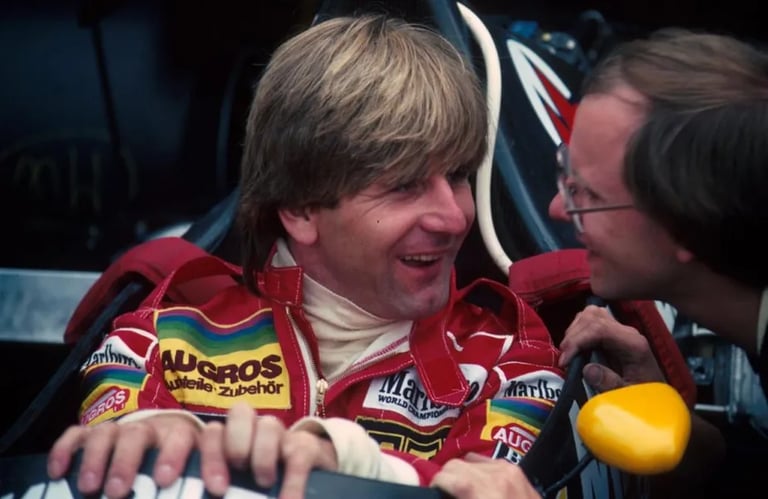
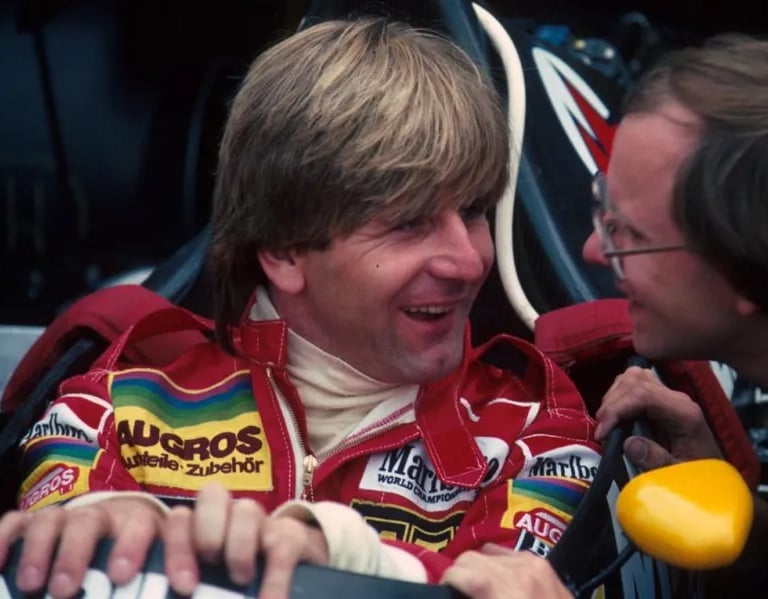
Manfred Winkelhock — Another Premature Farewell
Manfred Winkelhock contested the first 9 rounds of 1985 with the RAM-Hart, failing to score points. A versatile and experienced driver, he was simultaneously competing in endurance events. On 11 August 1985 — months before Bellof — Winkelhock crashed at 230 km/h into a concrete barrier at Mosport Park in Canada during the 1000 km race there, most likely due to a mechanical failure. He died the following day, aged 33. Two German drivers lost in the same year, both outside of F1 but still active in motorsport.
Stefan Johansson — The Reliable Swede
Stefan Johansson had an unusual 1985: he started with Tyrrell but moved to Ferrari at the very first race after René Arnoux was surprisingly dismissed, and had a solid season with 26 points and two podiums. He was one of the most consistent drivers on that grid, even if he never challenged for the title.
Johansson continued in F1 until 1991, without ever winning a race, but always regarded as a high-quality driver. After Formula One, Johansson continued racing for several more years, standing out mainly in IndyCar, where he competed in multiple seasons throughout the 1990s.
After retiring, he became involved in team management and took on sporting director roles in various initiatives. Today, at 69 years old, he lives in the United States and participates actively in historic motorsport events.
Gerhard Berger — The Austrian of Iron
In 1985, Gerhard Berger was in his first full season in F1 with Arrows-BMW and did not score any points — but the promise was unmistakable. Everyone in the paddock knew it was only a matter of time before he shone.
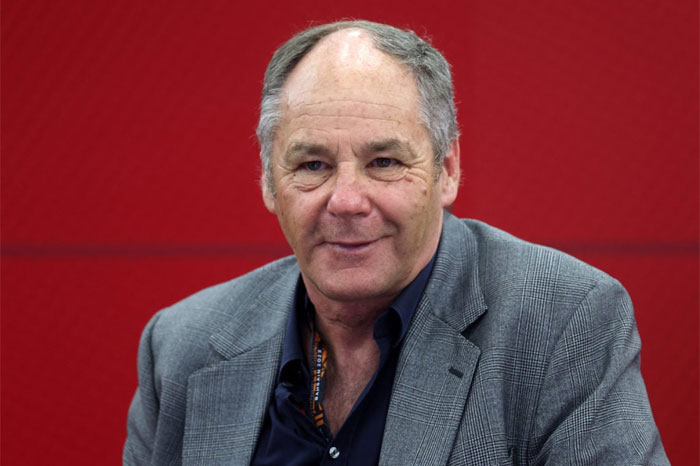
Berger moved to Benetton in 1986 and started winning. With Ferrari (1987–89 and 1993–95), McLaren (1990–92) and again Benetton (1996-97) he contested 210 Grands Prix and won 10 races. He was one of Senna's most respected teammates at McLaren. After retiring in 1997, he became a businessman and executive — he led the DTM as its promoter for years. Today, at 66 years old, Berger remains active in motorsport management.
Thierry Boutsen — The Methodical Belgian
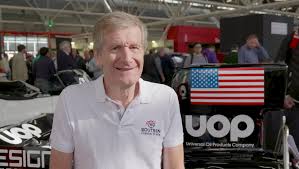
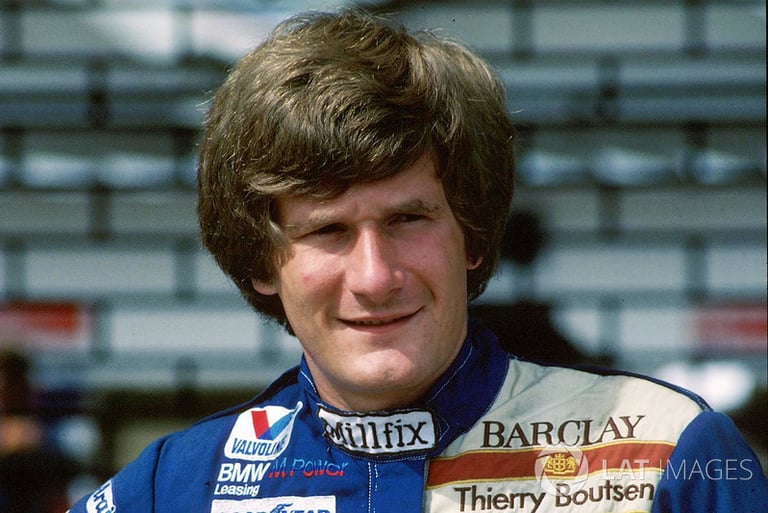
Boutsen scored 11 points in 1985 with Arrows-BMW, highlighted by a second place at the San Marino GP. He was a technically accomplished and elegant driver — never the fastest on the grid but extremely effective at managing races.
His finest chapter came at Williams in 1989–90, where he won three Grands Prix — two in adverse wet conditions. He retired in 1993. Today, at 68 years old, Boutsen lives in Belgium, competes in historic races, and is known as one of the most active ex-drivers in the preservation of classic F1 cars.
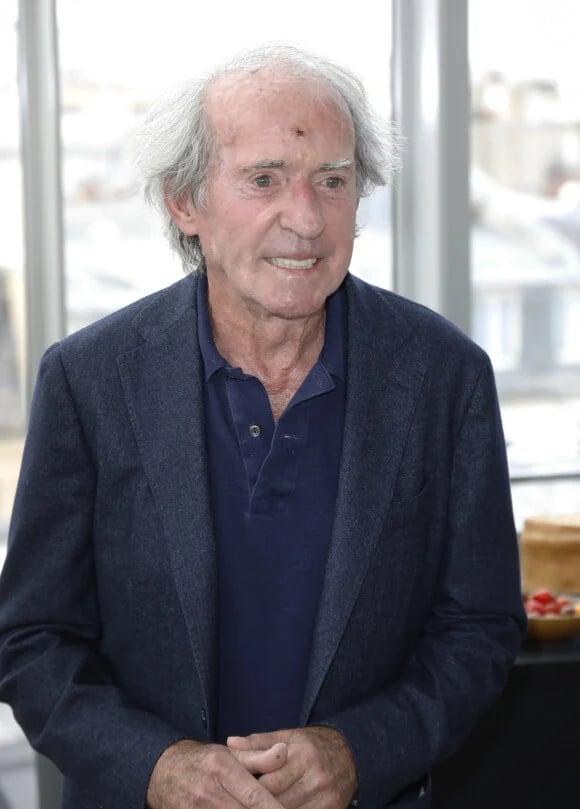
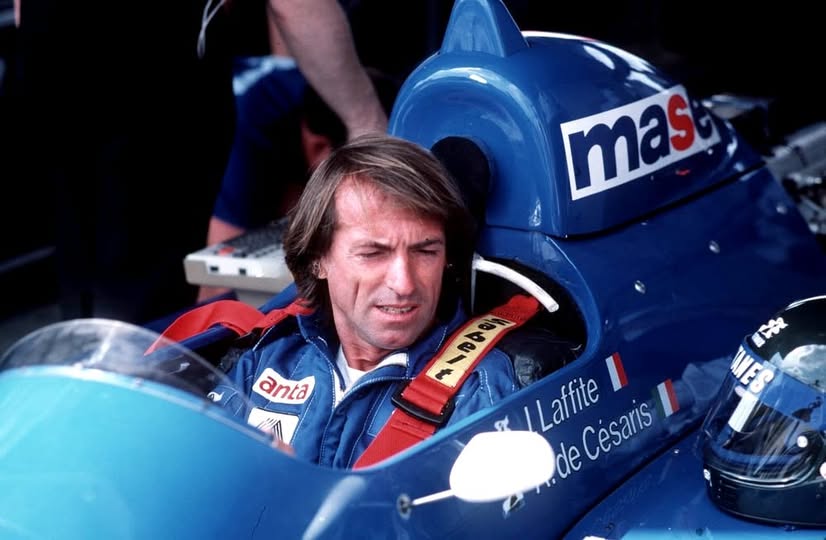
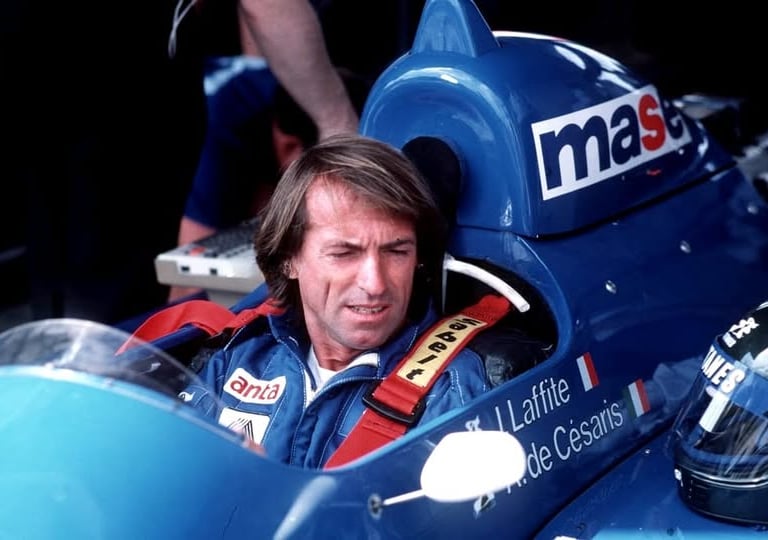
Jacques Laffite — The Smiling Veteran
Laffite finished 1985 ninth with 16 points for Ligier, including two podiums. He was 41 years old that season and one of the oldest drivers on the grid, yet remained competitive thanks to his unmatched experience.
He continued racing until the 1986 British GP, where he suffered a serious accident at the start of the race and fractured both legs. That ended his career. But Laffite came back — as a commentator and F1 ambassador, becoming a cheerful and beloved presence on French television for decades. Today, at 82 years old, he remains active and adored in the historic paddock.
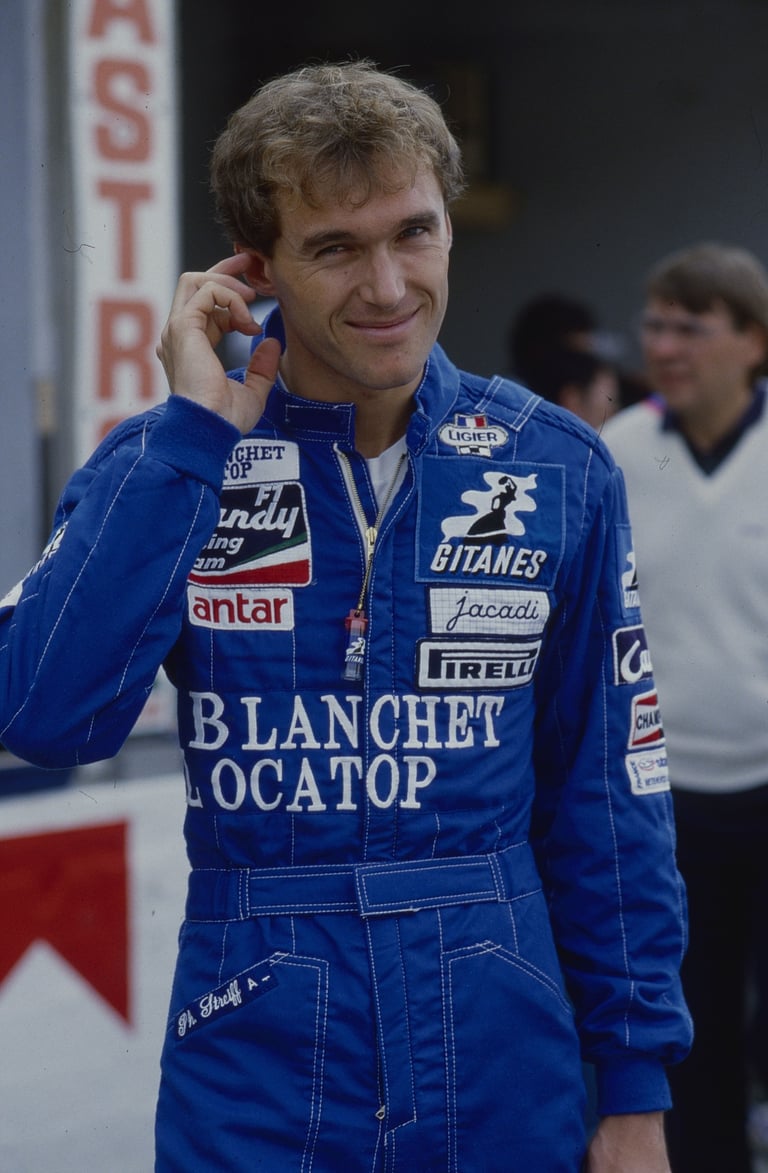
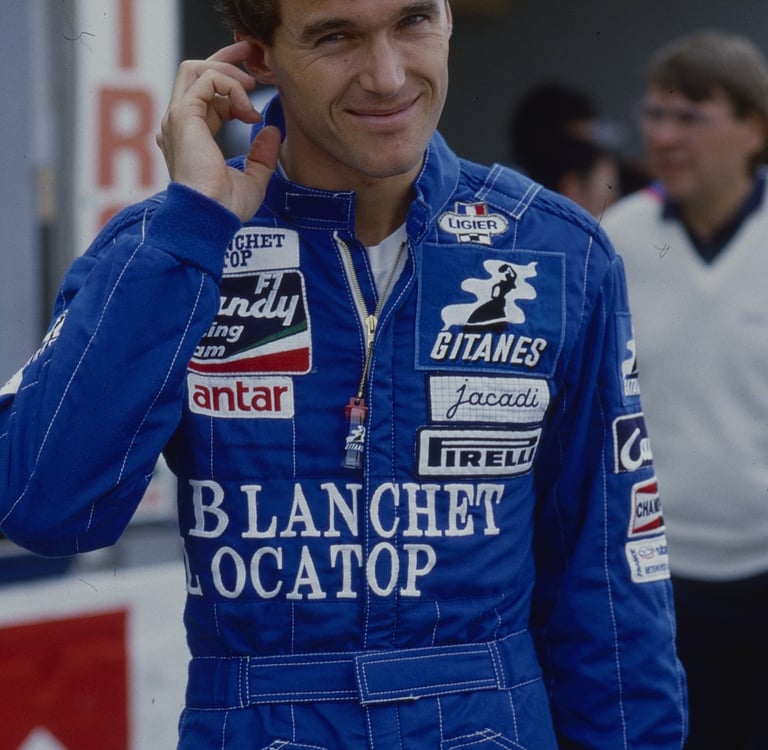
Philippe Streiff — Courage and Tragedy
Streiff entered the 1985 season in the final rounds, driving for Ligier and Tyrrell, scoring 4 points. His full F1 career came later, with Tyrrell and AGS. He was a driver of real instinct and fighting spirit.
In March 1989, during pre-season testing at the Jacarepaguá circuit in Rio de Janeiro, the rear suspension of his AGS broke at high speed and the car was thrown into the barriers. The delay in medical assistance — it took almost an hour to reach the medical centre — severely worsened his injuries. Streiff was left quadriplegic and confined to a wheelchair for the rest of his life. He became an important voice in debates about F1 safety. He passed away in December 2022, aged 67.
Marc Surer — The Unlucky Swiss
Surer scored 5 points in 1985 with Brabham-BMW and was one of the most consistent drivers in the midfield. Technically solid, he never had a car good enough to show his full potential.
His F1 career effectively ended at the South African GP in 1985 after an accident that fractured both ankles. He attempted a return in 1986 but, still recovering, suffered another serious accident — this time in a rally in a Ford RS200, in which his co-driver was killed. He withdrew completely from active competition after that. Surer became a television commentator and is one of the most recognised voices in European motorsport media. Today he is 74 years old.
René Arnoux — The Daring One Dismissed
Arnoux opened the 1985 season with Ferrari, finishing fourth in Brazil, but was dismissed before the second race, in Portugal. Ferrari had simply lost patience with his impulsive style, which had cost valuable positions in 1984. He was 37 but still fast. He moved to Ligier in 1986, where he continued until 1989, ending his Formula 1 career there.
After the F1 years, Arnoux participated in the GP Masters in 2005, a category created to reunite veteran ex-drivers. Today, at 77 years old, he runs indoor karting tracks in France — two in Paris, one in Lyon, and one in Marseille and is frequently seen taking part in historic motorsport events. An unusual retirement for a man who was once one of the most exciting drivers on the grid.
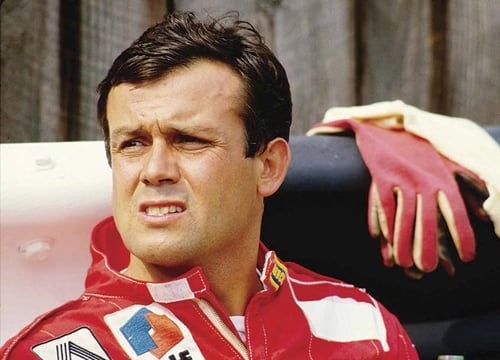
Patrick Tambay — The Elegant Frenchman
Tambay contested all 15 races of 1985 for Renault and scored 11 points with two podiums. He was a refined and charismatic driver — never explosive, always elegant and consistent. In 1985, however, Renault was clearly in decline ahead of its announced exit from the sport at the end of the season.
He retired in 1986 and later moved into the media and the sport's backstage. Sadly, Patrick Tambay passed away on 4 December 2022, aged 73, after a long battle with Parkinson's disease, which had withdrawn him from public life in his final years. French motorsport lost one of its most beloved personalities.
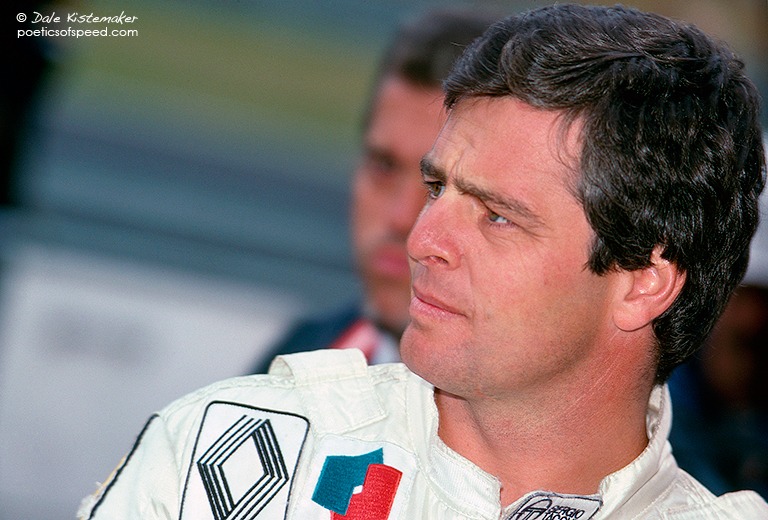
Derek Warwick — The Unlucky Briton
Warwick scored just 5 points in 1985 with Renault, but the number doesn't tell the full story. He was considered one of the most talented British drivers of the era but never had the right car. He was close to joining Lotus for 1985, but Senna vetoed his arrival — an episode that cost him years of missed opportunity.
He continued in F1 until 1993 and retired after that final season with Arrows. After hanging up his helmet, he became a successful businessman in Jersey, Channel Islands, where he lives quietly today. At 71 years old, Warwick also served as president of the BRDC (British Racing Drivers' Club) for several years.
Teo Fabi — The Italian of Two Worlds
Fabi contested 13 races in 1985 for Toleman without scoring points, but managed to claim 1 pole position that year — a remarkable feat for a small team. He was a versatile driver who competed simultaneously in both F1 and the Indianapolis 500, and had taken the Indy pole in his debut there in 1983.
After leaving F1, he focused on American motorsport (CART/IndyCar) through the mid-1990s before retiring. His son Stefano continues to race. At 71 years old, Teo lives in Italy and rarely appears at public events.
Andrea de Cesaris - The Crazy Italian
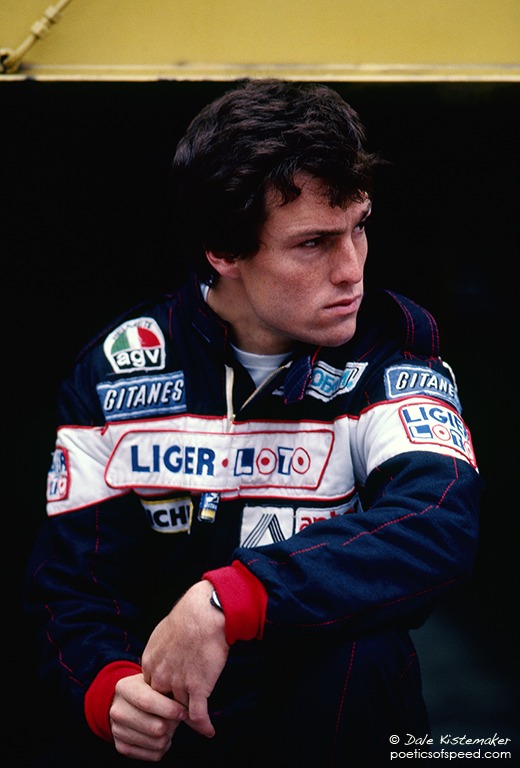
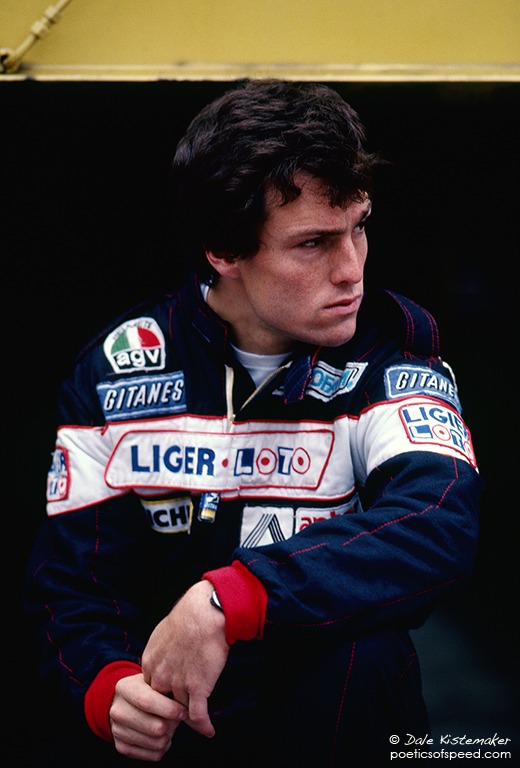
In 1985, Andrea de Cesaris raced for Ligier and scored 3 points during the season. He was one of the fastest drivers of his generation, but also one of the most accident-prone, and that combination became a defining part of his F1 career.
That reputation had real consequences. He was dropped before the end of the 1985 season because of his repeated accidents and the damage they caused to the team’s results and resources. Even so, De Cesaris remained a memorable figure in Formula 1: aggressive, spectacular, and always capable of producing flashes of brilliance. He continued in Formula 1 for several more years after 1985, driving for numerous teams across the grid. He ultimately ended his F1 career in 1994, having contested one of the longest careers in the sport's history without ever winning a race.
Sadly, Andrea de Cesaris died on 5 October 2014, aged 55, in a motorcycle accident in Rome. His career remains a classic example of a driver who had the speed to be great, but whose mistakes too often prevented that from fully happening.
Piercarlo Ghinzani — The Persistent One
Ghinzani raced all 15 rounds of 1985 for Toleman without scoring a point, but was known for his professionalism and dedication. He was part of a generation of Italian drivers who never had competitive enough machinery to show their true ability.
After retiring from the cockpit in the 1990s, Ghinzani founded his own racing team, Team Ghinzani, which operates to this day in Formula 3 and junior formula categories. At 74 years old, he remains active in motorsport as a team manager — a way of keeping his love for racing very much alive.
Eddie Cheever — The American in Europe
Cheever contested all 16 rounds of 1985 for Alfa Romeo without scoring points, closing a frustrating season alongside a team that was clearly losing competitiveness. Born to American parents but raised in Italy, he spoke several languages and was a genuinely global driver.
After his F1 years (1978–1989, without a single win), Cheever moved back to the USA and found his finest chapter at the Indianapolis 500, which he won in 1998. He founded his own team, Cheever Racing, and was a pioneer in using turbocharged Oldsmobile engines in IndyCar. Today, at 68 years old, he lives in the United States and occasionally appears at historic motorsport events.
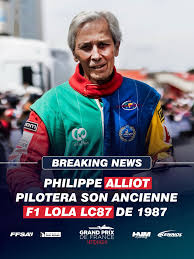
Philippe Alliot — The Discreet Frenchman
Alliot raced 14 rounds in 1985 for RAM-Hart, without scoring points. A competent driver who never consistently shone in F1, he was part of a team that perpetually lived on the edge of its budget.
He continued in F1 until 1994, with stints at Larrousse, Ligier, and McLaren (where he covered several substitute appearances). After retiring, he became a motor racing presenter and commentator on French television. Today, at 71 years old, Alliot still appears at sporting events as an ambassador.
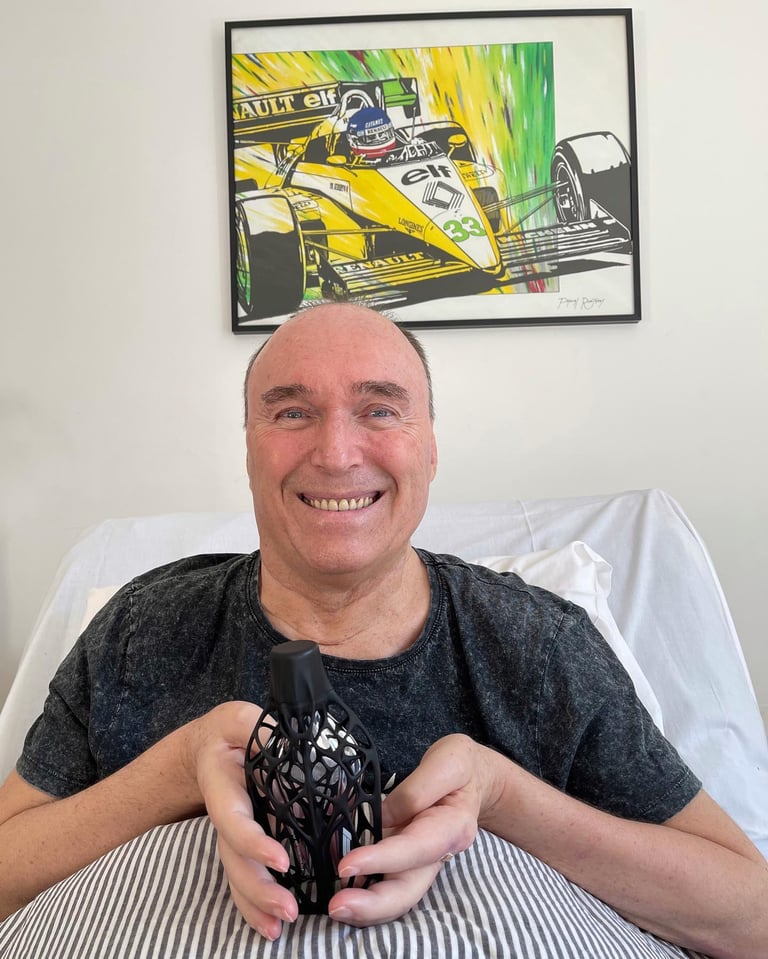
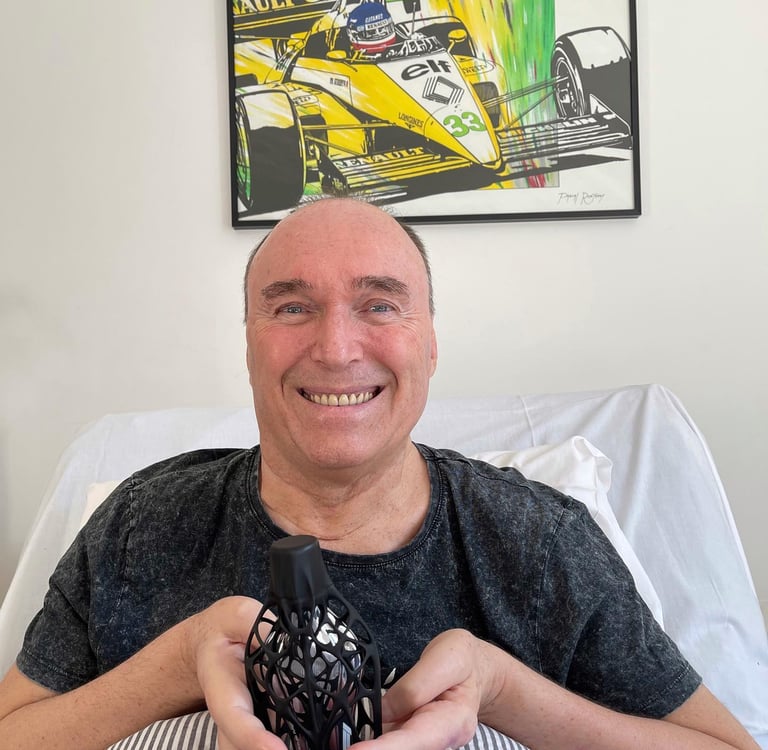
In recent years, Alliot has faced his greatest challenge away from the track. He publicly revealed that he has been battling pancreatic cancer for approximately four years, appearing visibly frail at recent events. Yet, in a display of the same fighting spirit that defined his racing career, he returned to the circuit for a commemorative event, sending what organisers described as 'a powerful message of courage and resilience' to all those facing serious illness.
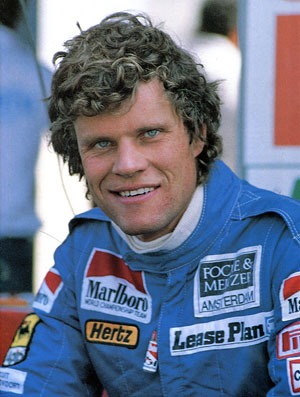
Huub Rothengatter — The Dutch Entrepreneur
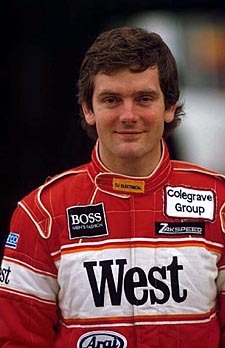
Rothengatter raced for Osella and Zakspeed from 1984 to 1986 without ever scoring a point — his best result in 1985 being a seventh place at the Australian GP. He was a driver through sheer perseverance and self-funded sponsorship, common in that era.
What came after was far more impressive than his racing career: Rothengatter became Jos Verstappen's manager — the father of Max — connecting him indirectly to the greatest champion of the modern era. He also founded EVBox, a Dutch company pioneering EV charging stations that became a global reference. Today, at 71 years old, he is one of the most successful ex-drivers in business.
Ivan Capelli — The Promise Who Became a Pundit
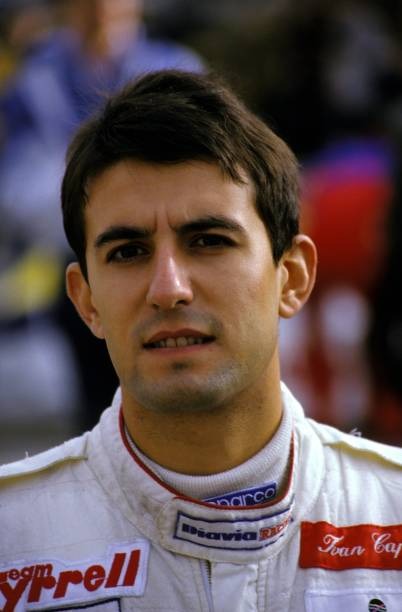
Capelli made just 2 appearances in 1985 for Tyrrell, scoring an impressive 3 points with a stunning fourth place at the Australian GP on his debut. He was young, fast, and eagerly anticipated.
His finest phase came with March, where he led several Grands Prix in 1988 and 1990. But when he finally got the chance to drive for Ferrari in 1992, the car was uncompetitive and the pressure destroyed his confidence — he was released before the end of the season. After his career ended in 1993, he became an F1 commentator on Italian television in 1997, a role he holds to this day. At 63 years old, he is a familiar voice in the paddock for Italian fans.
Alan Jones — The Champion Returns
Jones was the only driver to represent the short-lived Haas-Lola team in 1985, coming back to the grid two years after retiring as the 1980 world champion. The season was disappointing — he retired from almost every race he started — and the Australian withdrew once more.
After definitively retiring from the cockpit, Jones remained connected to the sport as an ambassador and commentator in Australia. Today, at 79 years old, he is one of the most respected figures in Australian motorsport history alongside Jack Brabham.
Jonathan Palmer — From the Cockpit to the Boardroom
Palmer raced 8 rounds for Zakspeed in 1985, completing only the Monaco GP in 11th place. A uniquely British character, he was a qualified medical doctor who swapped his white coat for a racing suit. The Zakspeed was a rookie team and the car was far from competitive.
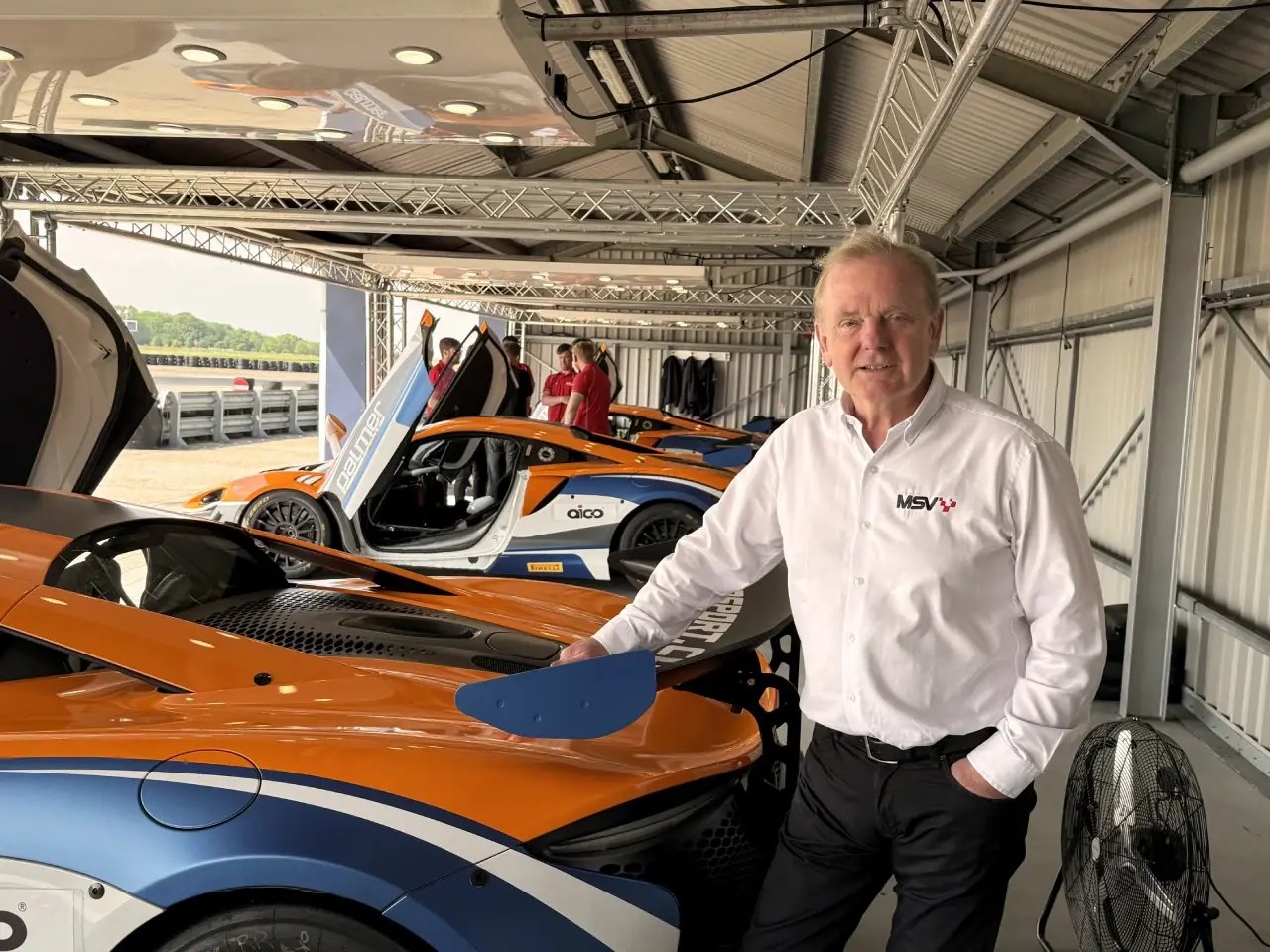
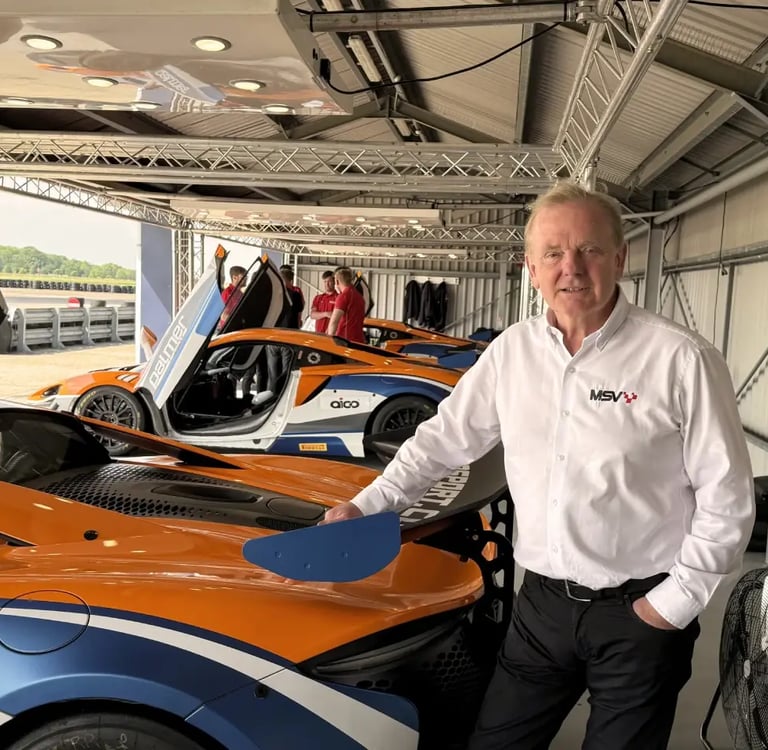
He continued in F1 until 1989, with his best result being a fourth at the 1987 Australian GP. After retiring, he created MotorSport Vision (MSV), a company that purchased and revitalised several historic British circuits, including Brands Hatch, Oulton Park, Snetterton, and Donington and helped guide his son, Jolyon Palmer, all the way to Formula One in 2016. Today, at 69 years old, Jonathan Palmer is one of the most influential businesspeople in British motorsport.
Christian Danner — The F3000 Champion on Debut
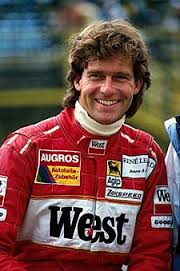
Danner contested just 1 race in 1985 — the Belgian GP for Zakspeed — as a reward for his Formula 3000 championship that year. He failed to finish due to a mechanical problem, but the F1 door was now open.
He returned to the category in 1986 with Zakspeed and later Arrows (following Marc Surer's rally accident), accumulating several race starts. After retiring from competition, he became a television commentator in Germany, a role he performed for many years covering F1 with authority and charisma. Today, at 68 years old, Danner is a well-known voice in German motorsport coverage.
Mauro Baldi — Endurance as Destiny
Baldi raced for Spirit in 1985 — the last of his four F1 seasons — without scoring points. The Spirit ran a Hart turbo engine and rarely finished races. It was the end of a chapter: Baldi was never a dominant F1 driver, but he demonstrated genuine talent throughout.
What came after was far more rewarding. Baldi found his true home in endurance racing, winning the 24 Hours of Le Mans in 1994, the 24 Hours of Daytona in 1998 and 2002, and the 12 Hours of Sebring in 1998. Today, at 72 years old, he is regarded as one of the finest long-distance racing drivers of his generation.
John Watson — The Honourable Stand-In
John Watson had already retired when he was called up to substitute for the injured Niki Lauda at the European GP at Brands Hatch — his one and only race of 1985, finishing seventh. The Northern Irishman was a driver of rare speed and consistency, having collected 5 victories and 169 points over 152 Grands Prix through his career with McLaren and others.
After retiring definitively, Watson became a Eurosport commentator and founded the John Watson Performance Driving Centre at Silverstone, where he still trains amateur drivers and offers driving experiences today. At 80 years old, Watson is a respected and active figure in British historic motorsport.
Riccardo Patrese — The Resurrection Driver
Patrese failed to score a single point in 1985 with the uncompetitive Alfa Romeo, and the car was simply too poor for anything better. His presence on the grid that year was more a matter of hope than genuine competitiveness.
The great turnaround came later: joining Williams from 1988 onwards, Patrese lived his best F1 years and was runner-up in the championship in 1992. With 256 starts, he was for many years the record-holder for most Grands Prix contested. He retired in 1993. Today, at 72 years old, Patrese lives in Italy and participates in historic motorsport events as an ambassador and classic car driver.
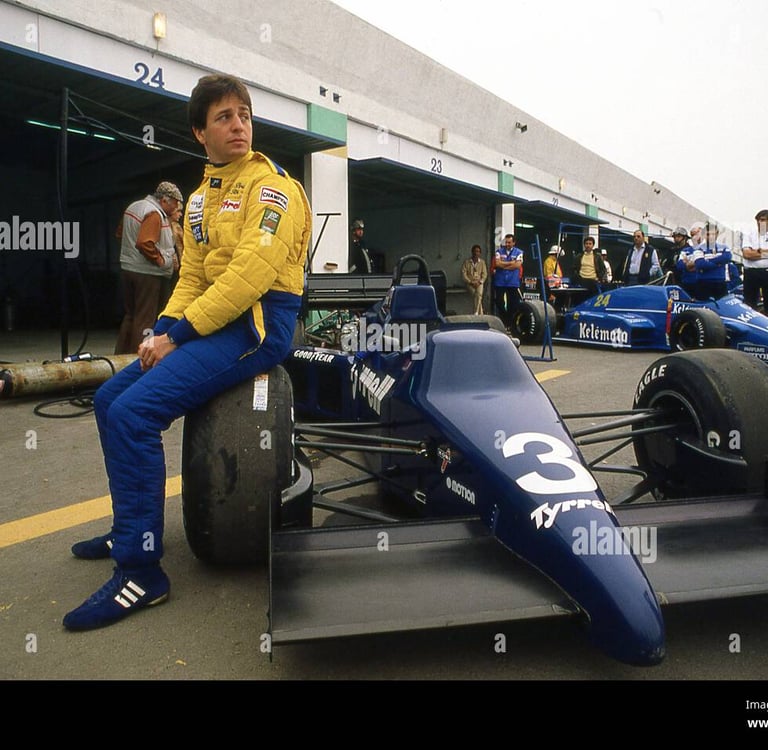
Martin Brundle — No Wins, But a Legend
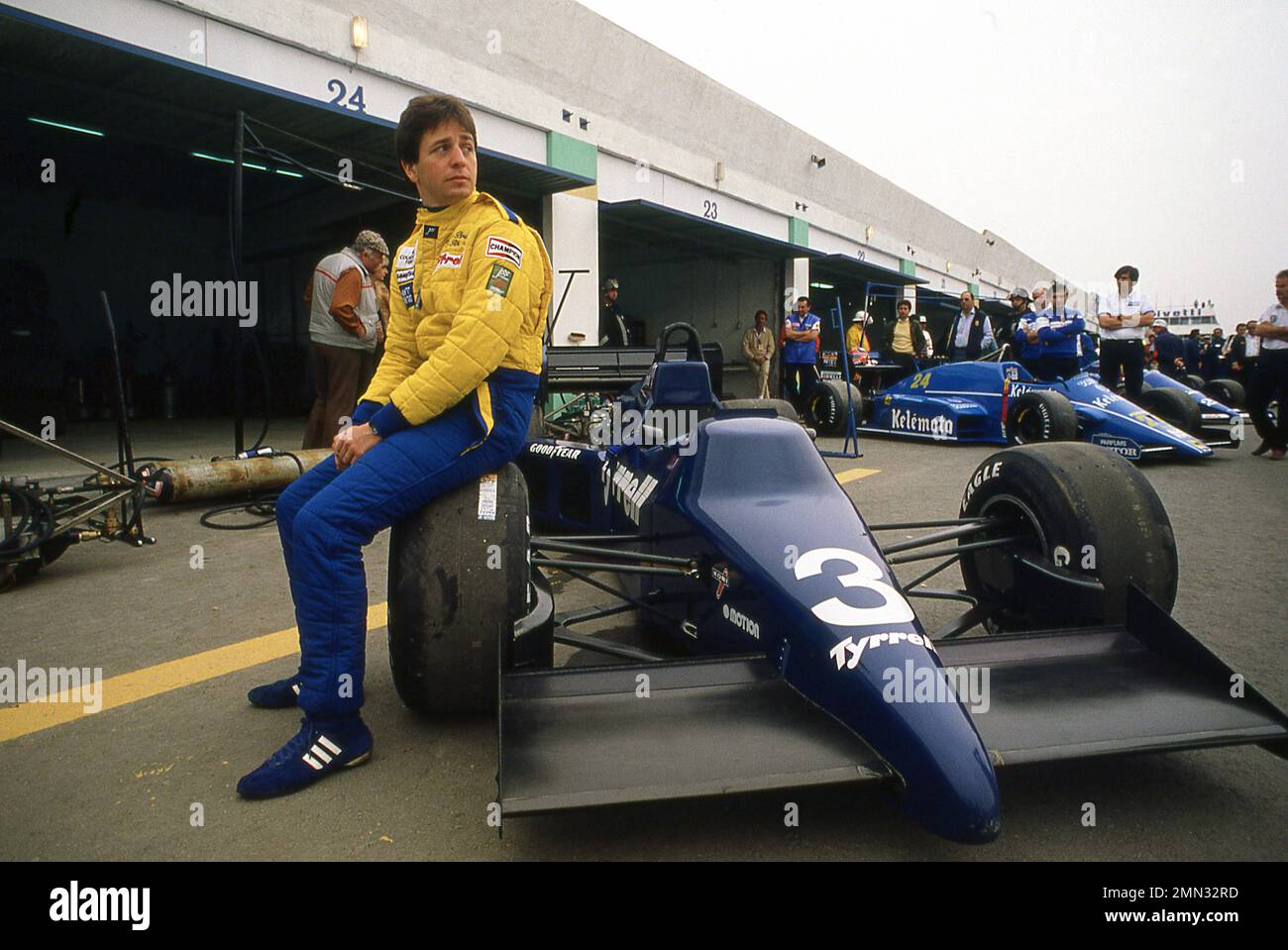
Brundle failed to score in 1985 with Tyrrell, but was consistent enough to show real talent. With the right car, he might have gone much further.
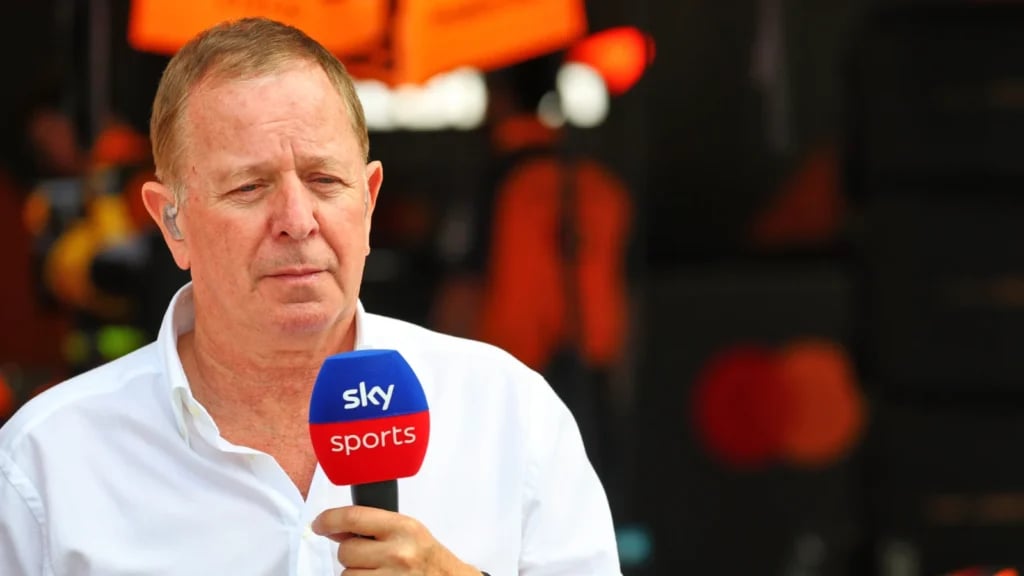
He raced in F1 until 1996 — never winning a race but claiming 9 podiums — alongside names such as Mika Hakkinen at McLaren in 1994. After retiring, he became one of the most respected commentators in the world, as the voice of Sky Sports F1 in the United Kingdom. His pre-race "grid walk" is one of the most anticipated moments of every Grand Prix. At 66 years old, Martin Brundle is practically an institution of modern F1.
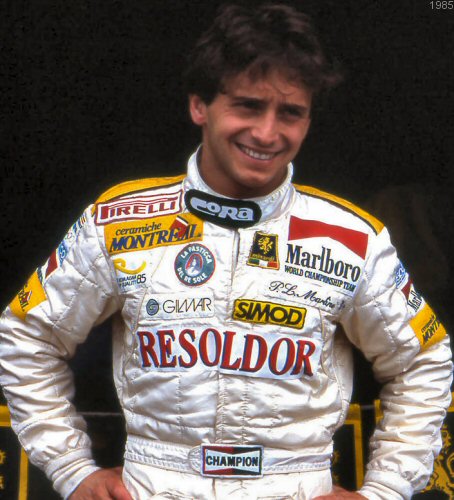
Pierluigi Martini — The Minardi Man
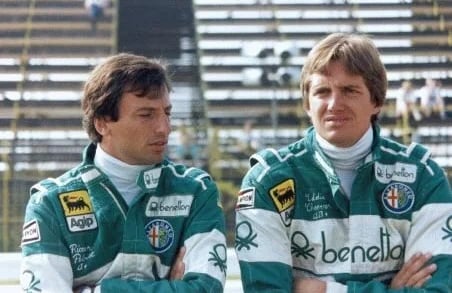
Martini was the Minardi team's pilot driver in 1985 as they made their F1 debut, failing to score but making history as the first driver to represent the Italian outfit in their maiden season. Young, courageous, and completely committed to the project.
He spent the vast majority of his career at Minardi — 8 of his 9 F1 seasons — becoming a symbol of loyalty and the romantic spirit of motorsport. He never won, but occasionally produced stunning qualifying performances for the small Italian team. He retired in 1995. Today, at 65 years old, Martini is a Minardi ambassador, participating in historic car events across Italy.
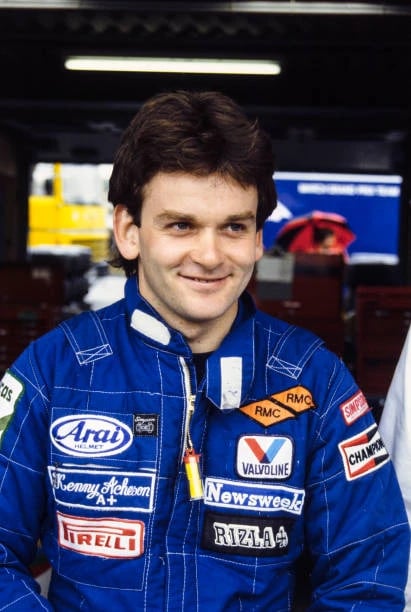
Kenny Acheson — The Unlucky Irishman
Acheson contested 3 races in 1985 for RAM-Hart, failing to finish any of them. The Northern Irishman was a driver of genuine ability, having been champion of the British Formula Aurora series, but never had the resources or machinery needed to establish himself in F1.
After leaving F1, Acheson continued racing in endurance events for many years, appearing regularly at Le Mans. He is one of the drivers from this era with virtually no public presence today. At 68 years old, he lives privately and away from the motorsport spotlight.
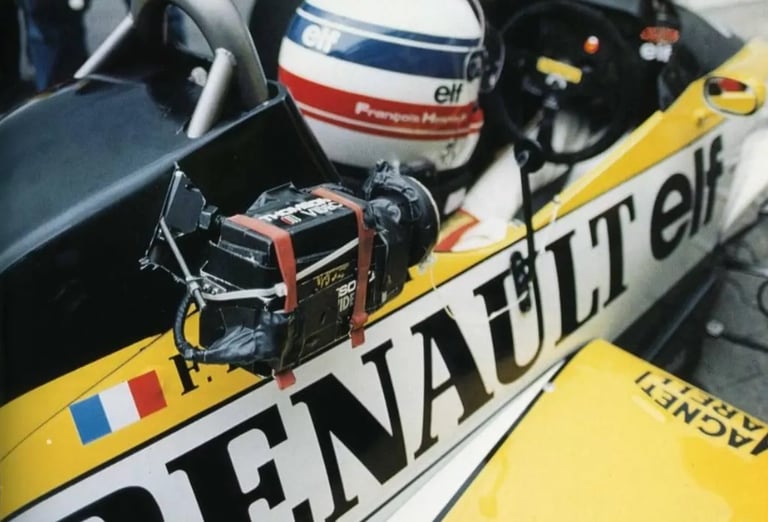
François Hesnault — The Forgotten Frenchman
Hesnault arrived at 1985 with Brabham but his season was marked by repeated qualification failures and a massive testing crash at Paul Ricard in which his car was completely destroyed — coincidentally at the same section of track where Elio de Angelis would be fatally injured months later. He was replaced after just 3 race entries.
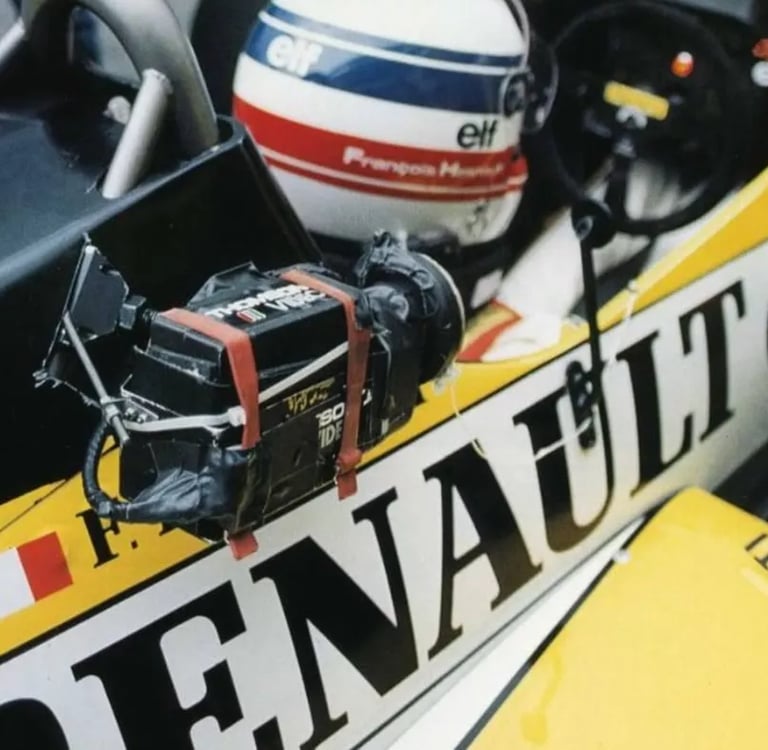
He made a curious appearance at the German GP as a third Renault car, reportedly acting as a mobile camera platform for onboard footage experiments. Hesnault virtually vanished from motorsport after 1985 and is one of the most obscure drivers of that generation. At 69 years old, his whereabouts and current activities remain unknown.