The Day Formula 1 Lost Its Greatest Talent: The Death of Jim Clark
Jim Clark was one of Formula 1’s greatest talents, a driver whose brilliance, humility, and record-breaking career made him a legend. His fatal crash at Hockenheim in 1968 shocked the racing world and left a lasting mark on motorsport history.
CLASSIC MOTORSPORT
7/6/20267 min read
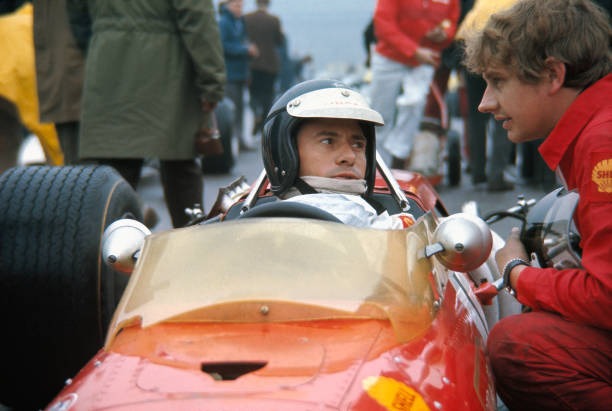
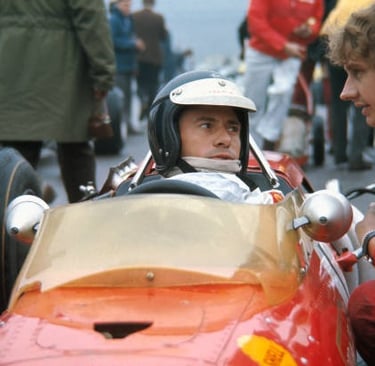
To truly do justice to the great Jim Clark, one article is simply not enough. His spectacular career and incredible personality deserve an entire book. In a near future, I intend to write a piece dedicated to that legend. But today, I want to focus on the shock of his death — what happened on that fateful day, and the impact it left on everyone who loved motorsport.
A Champion at the Peak of His Powers
By April 1968, Jim Clark was widely regarded as the finest racing driver of his generation. He had already secured two Formula 1 World Championships, in 1963 and 1965, and was leading the 1968 championship standings after winning the season-opening South African Grand Prix just three months earlier. Jackie Stewart, one of his closest rivals and friends, later opened a chapter of his own autobiography with a simple, powerful sentence: "Jim Clark was the finest racing driver of my era".
Clark was more than a statistic-chasing champion. He was a quiet, unassuming Scottish sheep farmer from Berwickshire who happened to possess an almost supernatural gift behind the wheel. Fans and rivals alike admired not just his speed but his humility — a rare combination in the fiercely competitive world of top-tier motorsport. Ayrton Senna himself would later describe Clark as his boyhood hero, a testament to how far his legacy reached even into future generations of drivers.
Why Hockenheim, Why Formula 2?
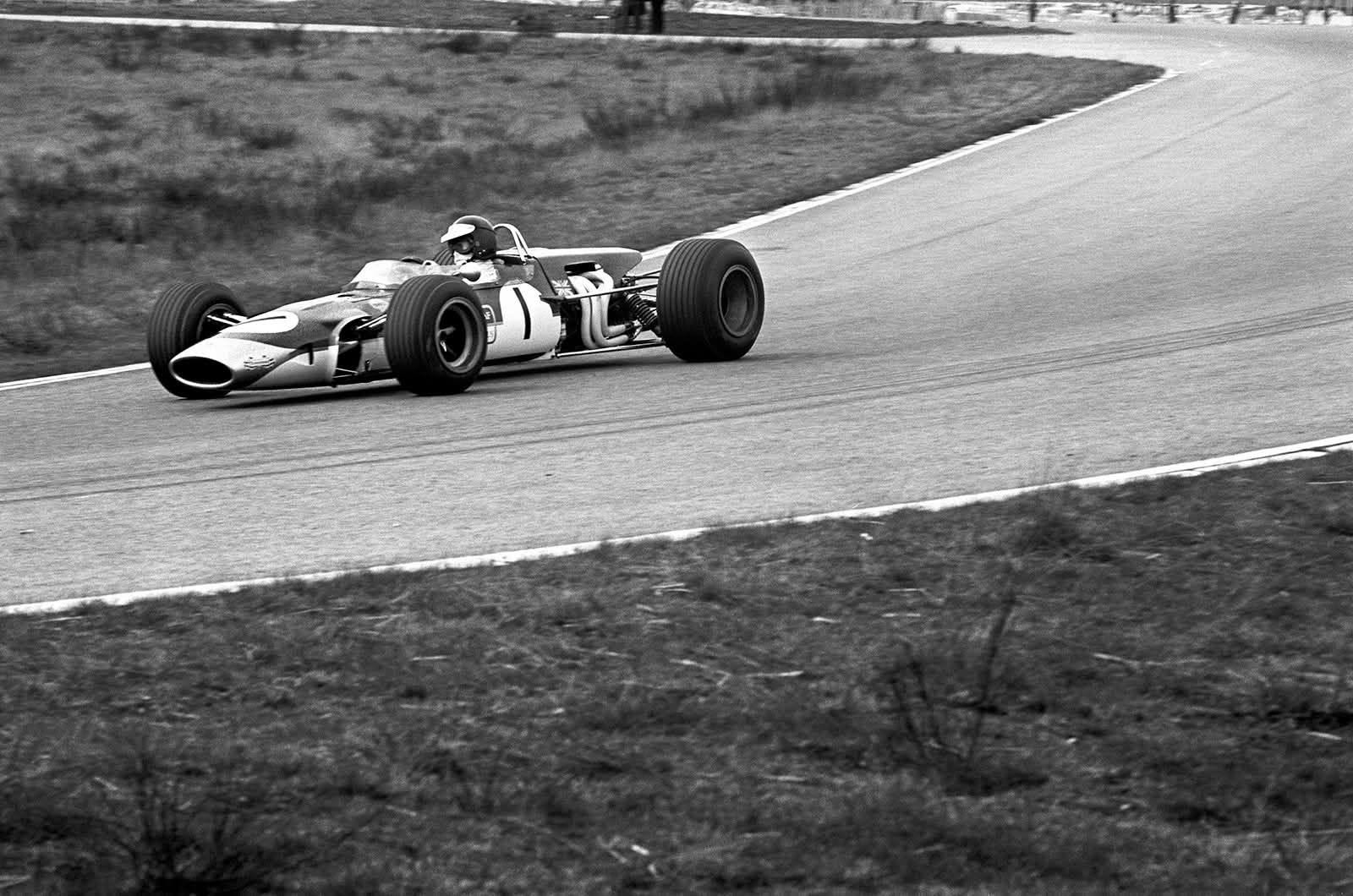
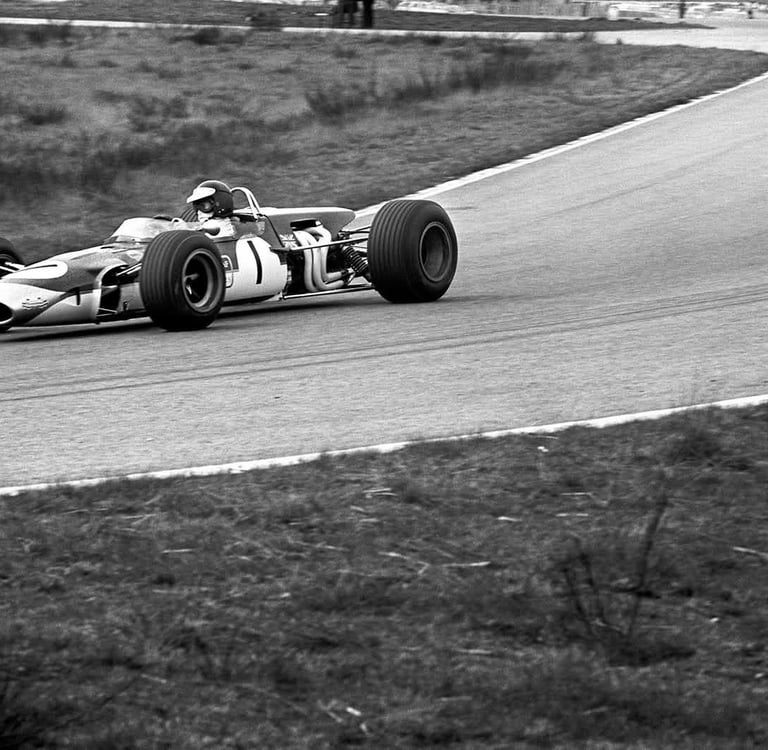
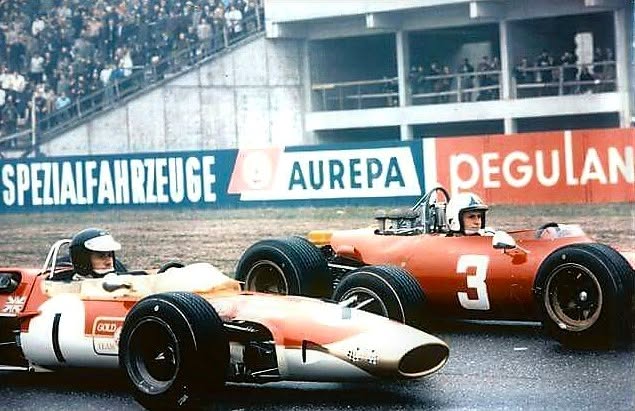
On the weekend of April 7, 1968, Clark was not even competing in a Formula 1 race. Ford had hoped he would drive one of its new P68 sports-prototypes at the Brands Hatch 6 Hours, but his commitments to Lotus took precedence. Instead, he and teammate Graham Hill traveled to Hockenheim, Germany, to compete in the opening round of the European Formula 2 Championship, driving Lotus Type 48 cars.
As "graded drivers" — members of the established elite — Clark and Hill were not even eligible to score championship points in that F2 race. They were essentially benchmarks for the rising stars of the era, drivers like Jean-Pierre Beltoise, Henri Pescarolo, Piers Courage, and future FIA president Max Mosley, who was competing near the back of the field. It was, in many ways, a routine midweek outing rather than a marquee event — which made what followed all the more shocking.
Clark had struggled in qualifying, ending up only seventh on the grid, over two seconds off Beltoise's pole time. He was hampered by mechanical issues with his metering unit drive belt and a tire disadvantage, since Lotus was contracted to use Firestone rubber while several rivals ran on superior Dunlop tires. Graham Hill qualified even further back, in 15th position.
The Fateful Fifth Lap
Race day brought damp, slippery conditions to the Hockenheimring — a fast, heavily wooded circuit in the Baden-Württemberg forest that offered drivers virtually no protection if they left the racing line. Barriers, as sophisticated as they are today, simply did not exist along the tree-lined sections of the track.
By the fifth lap, Clark was running only in eighth place, seemingly nowhere near his best pace. Then, on a slight curve that drivers were taking flat out at speeds estimated between 160 and 170 mph despite the wet track, his Lotus suddenly left the road.
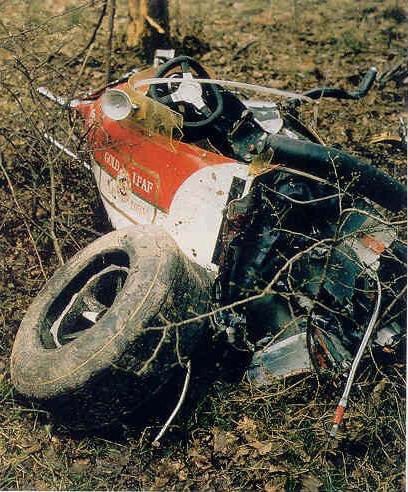
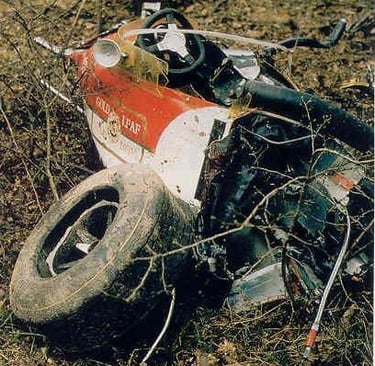
The car speared off into the trees lining the circuit. Witnesses and later reports described how the vehicle was torn apart on impact, somersaulting through the air before colliding violently with a tree. Jim Clark died instantly. He was only 32 years old.
For those who wish to go deeper into the story, this rare German documentary preserves the atmosphere of that unforgettable day, following the final preparations, the race itself, and the events that unfolded afterward. More than just a historical record, it offers a poignant glimpse into the last chapter of Jim Clark’s race weekend at Hockenheim:
What Really Caused the Crash?
In the immediate aftermath, speculation ran wild. Clark's mechanic, Dave "Beaky" Sims, later recalled being blamed in the press, with headlines suggesting a loose wheel nut was to blame — accusations that were particularly harsh in the German media. It is worth remembering that motorsport journalism in 1968 did not have access to the telemetry, black boxes, or high-definition camera angles that investigators rely on today. Determining the cause of a fatal crash often depended on painstaking physical examination of the wreckage. One of possible causes conclusion: there had been no mechanical failure or driver error at all. Instead, the right rear Firestone tire had suffered a slow puncture during the race. On the long straight preceding the fatal curve, centrifugal force had been sufficient to keep the deflating tire seated on its rim. But once Clark entered the gentle curve, the lateral loads generated by cornering were enough to pop the tire completely off the rim.
Even a driver of Clark's extraordinary skill had no way to recover from a sudden, unexpected tire failure at such a speed. Some contemporary reports also floated the theory that his engine may have cut out due to a recurring issue that had appeared periodically during practice sessions and was never fully diagnosed, though the tire failure theory ultimately became the most widely accepted explanation.
Interestingly, Clark himself had voiced concerns about the dangers of Hockenheim just days before the race. According to his mechanic, during a dinner conversation with Graham Hill, Clark remarked that "anyone who goes off into the trees hasn't a chance," calling the circuit's lack of safety measures "mad" and "absolutely hideous". It is a haunting detail — a champion's own words, almost prophetic, describing the very danger that would ultimately claim his life just days later.
A Sport in Shock
The reaction to Clark's death was immediate and profound. For the Britain press, the Hockenheim Formula 2 event was "certainly the most tragic event in British motor racing history," noting that national newspapers gave the tragedy so much coverage that they barely mentioned who had actually won the race — treating what was technically a minor Formula 2 event as an afterthought compared to the loss of Clark.
Beyond the racing press, the wider public reaction reflected just how significant Clark had become, not only in Britain but across the motorsport world. He was, after all, a two-time World Champion, a record-setting winner with 25 Grand Prix victories and 33 pole positions to his name at the time of his death. His passing was treated as a national tragedy in Scotland, where he was remembered not just as a racing icon but as an ordinary farmer who had achieved extraordinary things without ever losing his down-to-earth character.
The Long-Term Impact on Motorsport Safety
Clark's death became one of several catalysts in a broader reckoning with safety standards in motorsport during the late 1960s and early 1970s. Circuits like Hockenheim, built for speed with little regard for run-off areas or barriers, came under increasing scrutiny in the years following his crash. Drivers of that era — including Jackie Stewart, who became one of the most outspoken safety campaigners in Formula 1 history — pointed directly to tragedies like Clark's as proof that circuits needed guardrails, run-off zones, and better medical response systems.
It is worth remembering, too, that Clark's death was tragically not an isolated case in this brutal period of motorsport history. Names like Jochen Rindt, François Cevert, Piers Courage, and later Ronnie Peterson and Gilles Villeneuve would follow in the years after, each death adding pressure toward reform. But Clark's passing carried a particular weight, precisely because he was considered untouchable — the best driver of his time, someone who many believed could handle any car in any condition. If Jim Clark could die from something as unpredictable as a slow puncture, it became painfully clear that no driver, regardless of skill, was immune to the dangers built into the sport at the time.
Remembering Jim Clark Today
Decades later, Clark's legacy remains remarkably strong. Fifty years after his death, tributes and retrospectives continued to explore why his impact on the sport still resonated so deeply, describing his legacy as "still growing" even half a century on. Historians and fans alike continue to rank him among the very greatest drivers to ever sit behind the wheel of a Formula 1 car, a reputation built not just on statistics but on the elegance and precision with which he raced.
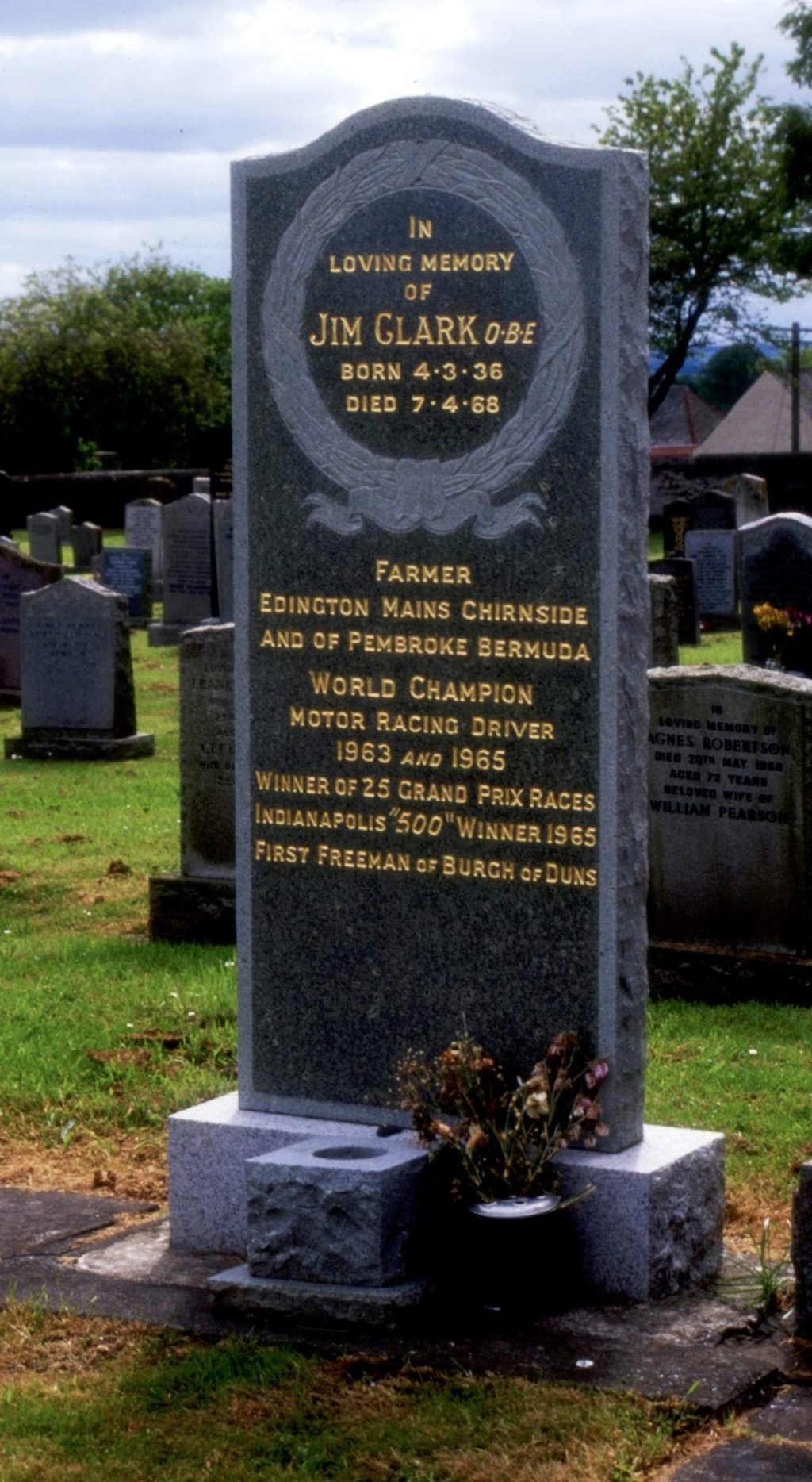
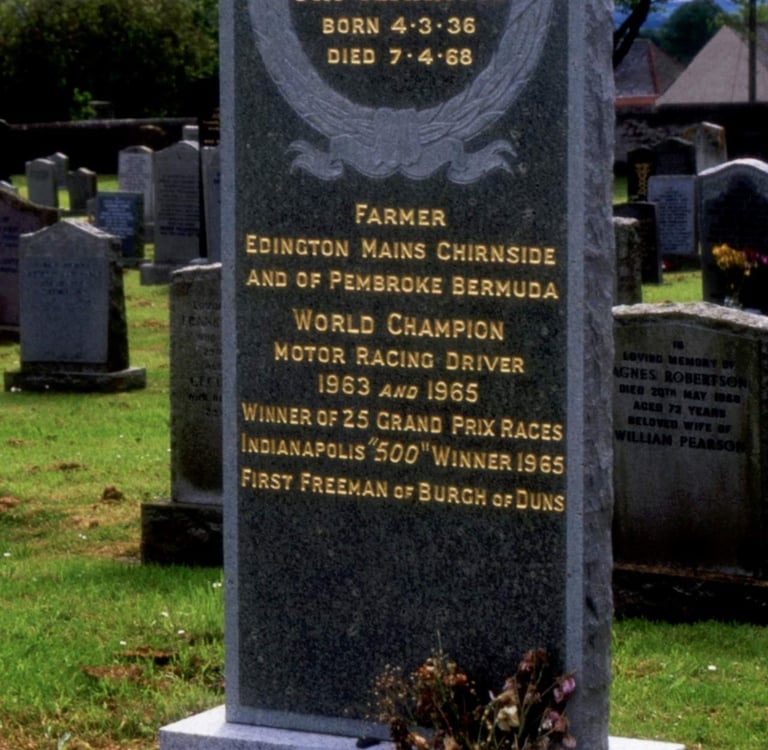
His grave, in the quiet village of Chirnside in the Scottish Borders, remains a pilgrimage site for motorsport enthusiasts who want to pay their respects to a driver whose talent was matched only by his humility. A man who dominated one of the most dangerous sports in the world while remaining, at heart, a simple sheep farmer from the Scottish countryside.
Jim Clark's death at Hockenheim on April 7, 1968, stands as one of the defining tragedies in the history of motorsport. It was a stark reminder that even the greatest talents were vulnerable to the primitive safety standards of that era — standards that would take years, and unfortunately more tragedies, to meaningfully improve. What makes his story so haunting is not just the loss itself, but the eerie foreshadowing in his own words about the dangers of that very circuit, spoken just days before his death claimed him.
Clark's brilliance on the track, combined with the senselessness of how his life ended, cemented his status as more than just a champion — he became a symbol of both the glory and the peril that defined Formula 1's most dangerous decades.